

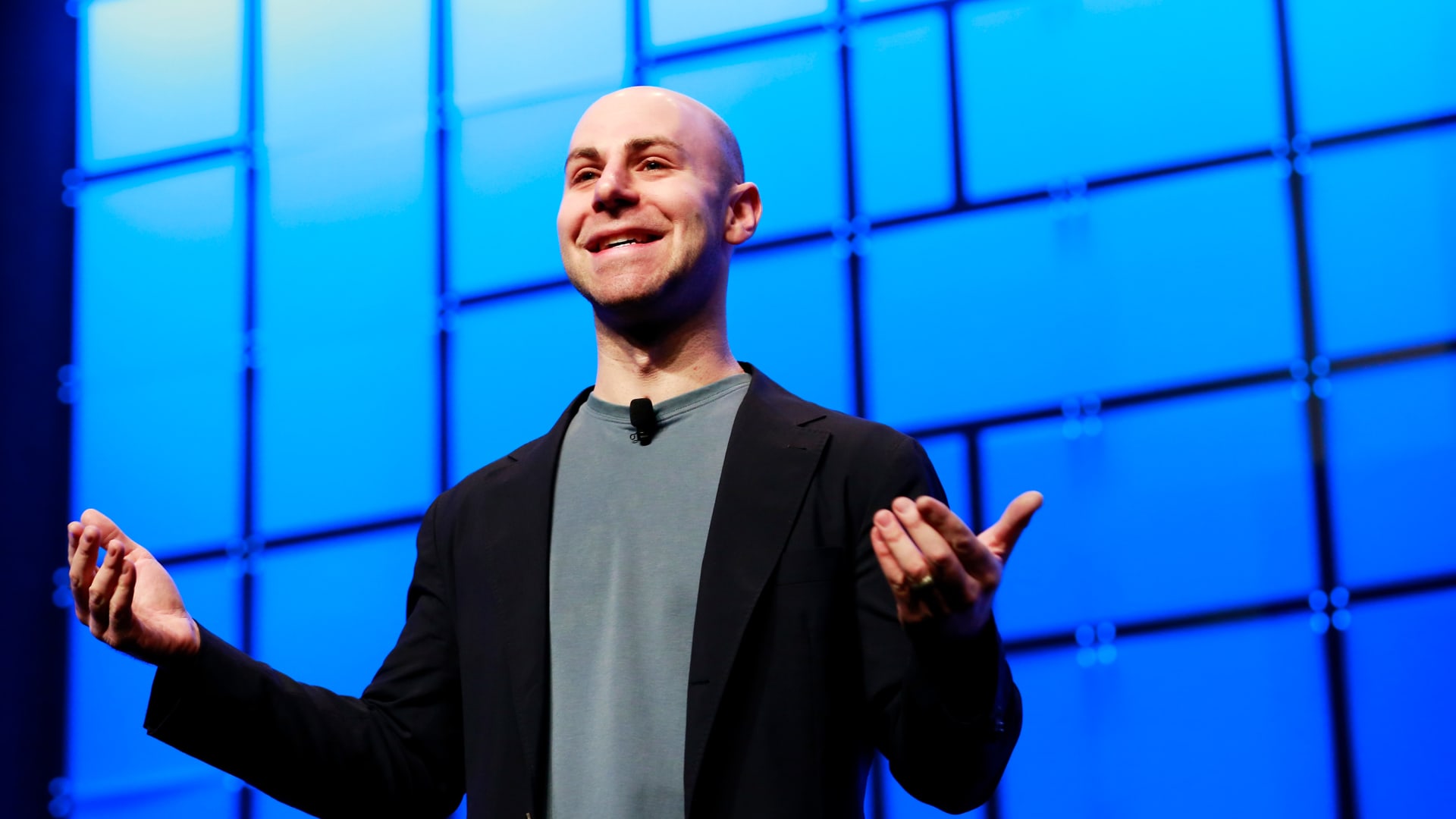
Amid fears of AI disrupting white-collar jobs, many workers are wondering how to stay relevant and safeguard their careers. Adam Grant recently shared his own two cents on the matter.
Grant, a bestselling author and organizational psychologist at the Wharton School of the University of Pennsylvania, shared his biggest piece of advice for future-proofing your career while speaking at WOBI’s World Business Forum in New York City on Nov. 5.
“For those of you who are thinking about how to future-proof your career or how to make your company more resilient in a time of chaos and crisis, I know of no better advice than to think like a scientist,” he said.
By that, Grant means “recognizing every opinion you hold in your job is just a hypothesis waiting to be tested.”
“It might have been true in the past, but it may not hold in the present,” he said. “It might have been true in one environment, but it doesn’t apply to the current environment you’re in or to the future you’re about to confront.”
Three types of thinking to avoid
Grant said leaders frequently fall into one of three camps based on their mindsets: preacher, prosecutor or politician. He’s not referring to people in those professions, of course, but to people whose modes of thinking resemble those.
A preacher, for example, is “basically proselytizing their own views,” Grant said. A prosecutor, meanwhile, is “attacking somebody else’s views,” and the leaders he likens to politicians “don’t even bother to listen unless other people already agree with their views.”
On the other hand, leaders who think like scientists don’t conflate their ideas with their identity, so they’re not afraid to be wrong, learn from their mistakes and change course as needed.
“Good scientists are as motivated to look for reasons why they might be wrong, as opposed to just looking for reasons why they must be right,” Grant said. “They have the humility to know what they don’t know and the curiosity to keep seeking new knowledge, and we have a growing body of evidence that if we teach people to think more like scientists, they actually make better choices.”
With these leaders, employees feel empowered to speak up and experiment with new ideas, Grant said.
“If you learn to think like a scientist, you end up building a learning culture where people say, ‘Hey, we don’t know if this is going to work yet, but we think it’s worth piloting,’ and then you get a chance to see the potential in people and ideas,” he said.
Want to level up your AI skills? Sign up for Smarter by CNBC Make It’s new online course, How To Use AI To Communicate Better At Work. Get specific prompts to optimize emails, memos and presentations for tone, context and audience.
Plus, sign up for CNBC Make It’s newsletter to get tips and tricks for success at work, with money and in life, and request to join our exclusive community on LinkedIn to connect with experts and peers.
