

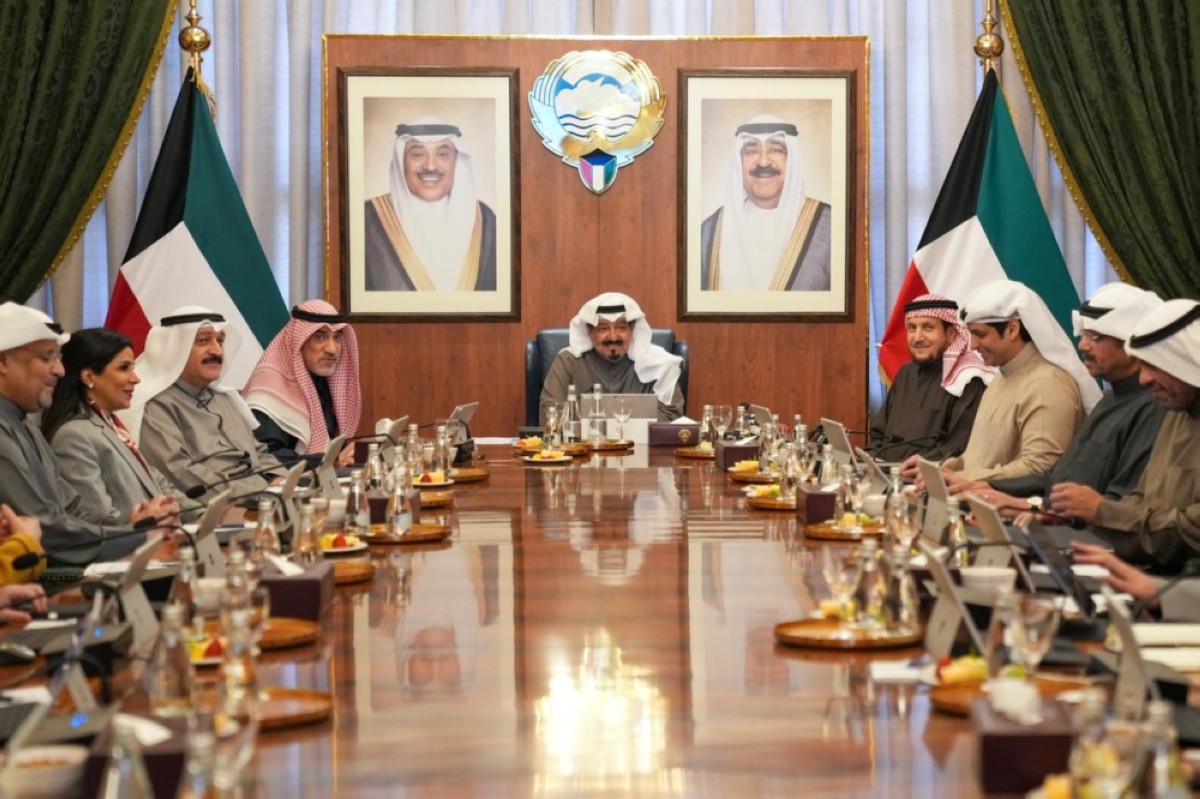
KUWAIT: Cabinet on Tuesday reviewed the results of the first semester of the 2025/2026 school year, highlighting stability in student performance amid major curriculum updates and increased use of digital tools and artificial intelligence in classrooms.
In 2025, the ministry completed a full redesign of the national curriculum for kindergarten through Grade 9, producing 88 new textbooks for the first semester alone. The ministry said the overhaul aimed to modernize teaching standards, reduce student workload by printing textbooks in smaller, spaced-out sections and align subjects with global benchmarks.
Presenting the report, Minister of Education Jalal Al-Tabtabaei said the analysis compared this year’s academic indicators with previous years, showing that the education system continues to maintain overall student achievement despite ongoing reforms. “This presentation reflects the ministry’s commitment to transparency and continuous monitoring of educational performance,” he said.
The minister’s report also outlined improvements in exam organization and oversight, which helped reduce violations and promote fairness. Cabinet stressed its ongoing commitment to developing Kuwait’s education system, including updating curricula, enhancing teacher skills, expanding digital learning, and fostering values such as innovation, research and equal opportunities. Officials said these measures aim to prepare future generations for global competition and national development.
The review comes after the recent completion of midterm exams for more than 33,000 Grade 12 students nationwide. Post-exam data by the education ministry showed a 42.5 percent decline in students barred from exams compared with the same period last year. Officials attributed the improvement to better organizational procedures, heightened student awareness of regulations, and the coordinated efforts of school administrations.
The ministry has also strengthened exam security following previous leaks, introducing a national proctor system and legal reforms criminalizing cheating and the leaking of exam content. Al-Tabtabaei said these measures represent “a pivotal step in protecting fairness, transparency and credibility in student assessments.”
Beyond education, the Cabinet approved several public service initiatives, including donations from citizens and private companies to build and maintain mosques across the country. Officials expressed gratitude to donors for supporting national projects. — Agencies
