

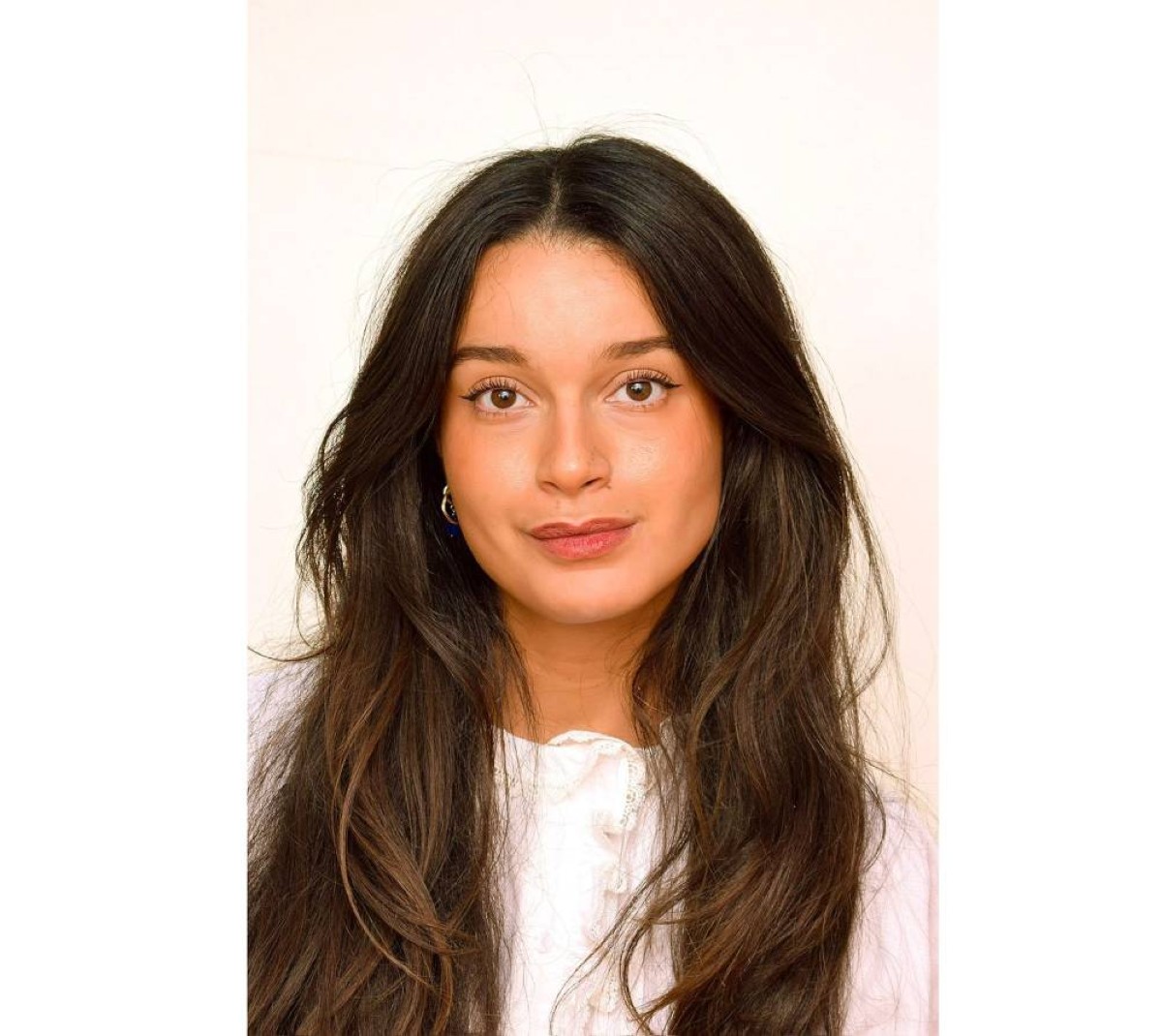
KUWAIT: A debate in Nantes highlighted how integration and immigration are used in French political discourse, and how the Paris-based Arab World Institute’s cultural mission could provide answers to these narratives. The debate was organized by Casus Belli Network, a French organization promoting the work of researchers in history, geopolitics and economic intelligence.
Melissa Tedafi, PHD candidate and CEFREPA researcher at the Arab World Institute (AWI) said that some politicians take advantage of immigration in their political campaigns, linking the issue to questions of security and defense.
“This is largely due to the current political climate in France, where the presence of Arab and Muslim minorities in France is a topic of public debate, both in the media and in politics,” she said.
But cultural institutions, such as AWI, have taken a role to oppose this trend. Tedafi explained that the AWI was created in the 1970s, a decade marked by major geopolitical upheavals and social change in France. She noted that although the AWI operates under a multilateral framework involving France and Arab League member states, Kuwait being one of its founding members, it remains under French legal and political control. However, she said that its mission contrasts with political narratives by focusing on understanding and preserving Arab culture.
In her view, discussions surrounding Arab cultures and Islam in France are often driven by emotion and short-term political agendas. By contrast, her work aims to place these debates within a long-term historical framework, offering a scientific and informed interpretation rather than a reactive one.
This approach is shaped in part by her research experience in Kuwait. During the first two years of her doctorate, Tedafi was hosted by the French Research Center for the Arabian Peninsula (CEFREPA), which is based in Kuwait and whose work covers the Gulf region. From there, she examined GCC countries’ interest in cultural cooperation with France.
She emphasized that studying Franco-Arab cultural diplomacy requires engaging with Arab perspectives and sources. “From the perspective of ‘equal history,’ I cannot focus solely on French sources.” Kuwaiti institutions played a key role in this process. “To this end, the NCCAL and the Kuwait National Library have been very helpful in conducting my research.”
Tedafi noted the strong interest she encountered among Kuwaitis in culture and the arts, particularly during 2025, when Kuwait was designated the Capital of Culture and Media. “As a French-Algerian, I was very excited to discover one of the many facets of Arab cultures that I knew very little about,” she said.
In France, the topic was met by intrigue as well. “I have noticed interest in my research from the scientific community and from students studying international relations and history, as I am invited to participate in cultural events to talk about my topic of research,” she said. “I believe that, to a certain extent, my research is important in the current French political context, given the heated debate surrounding the place accorded to Arab cultures and the Muslim faith.”
