

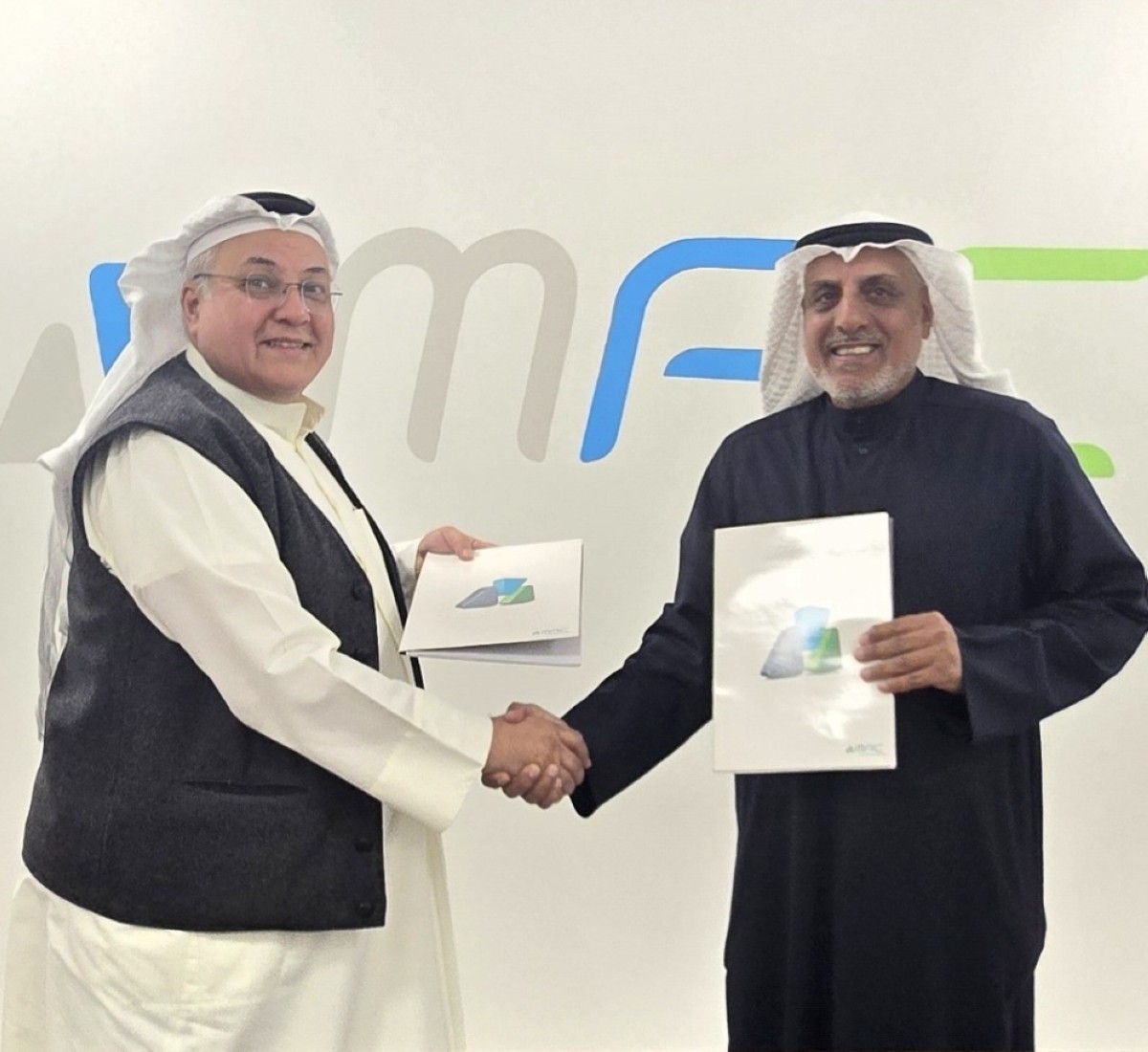
KUWAIT: The Kuwait Dive Team has signed a cooperation agreement with a recycling and manufacturing company to ensure that marine waste removed from the sea is not only collected, but also scientifically treated and recycled.
Leader of the team Waleed Al-Fadhel said the memorandum sets out a practical and integrated framework for the safe disposal and recycling of solid marine waste, in line with modern environmental standards. It seeks to provide long-term solutions for waste extracted from seawater and marine reserves across Kuwait, by transforming it from an environmental burden into reusable recycled resources.
The agreement covers all waste collected by the team from Kuwaiti islands, as well as fishing nets and plastic debris from northern and southern coastlines. These include northern areas such as Subiya, Jahra, Jedailiyat (north west of Kuwait Bay), Eshairij, the Sabah Health Region, the Free Zone, Shuwaikh and the Kuwait Towers. They also include sites in the south, including Nuwaiseeb, Khairan, Al-Zour, Fintas and Bidaa. The partnership will be carried out on a volunteer basis without any financial compensation.
Distribution of tasks
Under the agreement, the Kuwait Dive Team will handle field coordination and provide volunteer teams to collect waste from priority areas. It will also coordinate with the Environment Public Authority and government bodies to ensure that operations are legal and carried out smoothly.
The company and Kuwait Dive Team agreed to appoint liaison officers to follow up on implementation and hold regular meetings at least every six months to assess progress. They will also issue technical reports to document the quantities of waste removed from the marine environment and converted into recycled materials.
Metals and Recycling Company (MRC) Vice Charmain and CEO Tarek Al-Mousa said the company will be providing full logistical support, transporting waste from collection points to its facilities, and supplying technical staff and equipment to sort, process and recycle metal and plastic waste. Al-Mousa said the company will bear all financial costs of these operations as part of its social responsibility.
Closing the loop
Al-Fadhel said the agreement represents a leading step in closing the loop of marine environmental protection, noting that the team’s mission is only complete once waste is scientifically treated and recycled, which the memorandum makes possible. He stressed that protecting Kuwait’s marine environment is a shared responsibility that requires cooperation from all sides.
Kuwait Dive Team removed nearly 203 tons of marine waste in 2025, including sunken vessels, plastic waste, wood and abandoned fishing nets that posed a direct threat to navigation and wildlife. Al-Fadhel warned that plastic waste is increasingly surrounding ecosystems and threatening marine life, birds and fish with extinction. He said plastic waste worldwide kills more than 100 million marine animals and one million birds each year through ingestion or entanglement.
The team is working to raise public awareness about the dangers of dumping waste, particularly plastics, which cause the death of thousands of marine creatures annually. Al-Fadhel cited United Nations Environment Program expectations that plastic in the oceans could outweigh fish by 2050 if deterrent measures are not taken, stressing that cleaning oceans has become an existential necessity to protect biodiversity and sustain the blue economy relied on by millions of people.
Al-Fadhel called on sea visitors and fishermen to comply with environmental laws and avoid throwing waste or fishing nets into the sea. — KUNA
