

Some welcome regulation, but critics fear move risks erasing memories and livelihoods
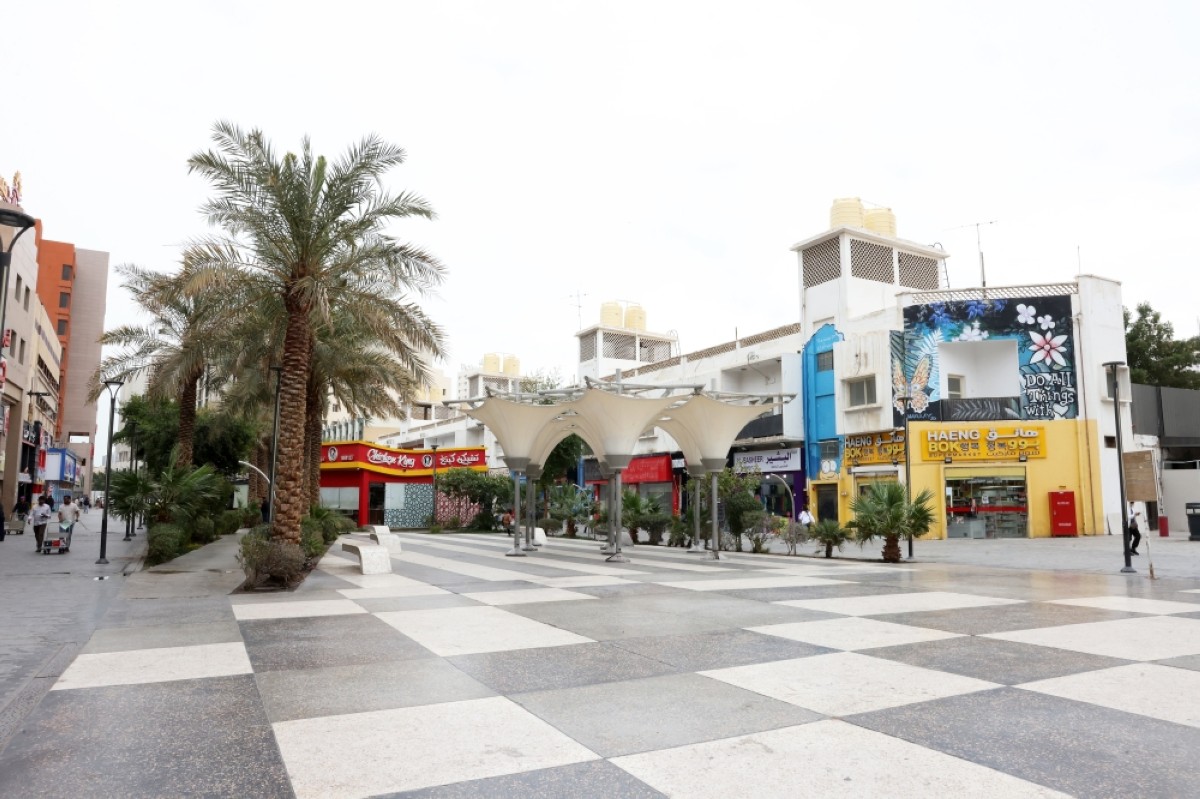
KUWAIT: A recent decision by the Kuwait Municipality has called for the removal of kiosks and the closure of a number of shops in Barayeh Salem in Salmiya. Public reaction has been divided between supporters who view the move as a necessary organizational step and opponents who fear the area will lose its lively character.
Citizen Bibi voiced her support for the decision, expressing hope that the area would regain its original Kuwaiti identity, particularly after the government invested significant funds in renovating it. She said that the location had lost its historical character and had begun to feel like another country. According to her, some activities distorted the street’s image and lowered its overall standard, recalling that during the 1990s the area featured luxury car showrooms, fashion boutiques and well-known brands, before later declining in cleanliness and appearance.
Commenting on the popular nickname “Little Manila” often associated with Barayeh Salem, Fatima Humaidan said the area’s transformation into a global, multicultural space should not be viewed negatively. She continued that many countries around the world include Asian, Chinese and Filipino neighborhoods, adding that cultural diversity is both positive and desirable.
On the other hand, Suad Ali strongly opposed the decision to clear the kiosks, stressing that closing long-standing sites erases memories and undermines social identity. She added that the government is shutting down all places with memories, referring to the closure of Souq Sharq and expressing concern that the old Salmiya market could be next. She warned that such decisions risk wiping out the community’s collective memory.
Another visitor, Joy Anne, expressed her attachment to the area and her desire for it to remain open, saying it has become a favorite destination for families and young people. She said Barayeh Salem stands out for its vibrant atmosphere and diverse dining options. “The food is distinctive and affordable, and it represents communities that are part of our society. Losing this place means losing an important cultural experience,” she said.
Restaurant workers, who preferred to remain anonymous, in the area also shared their concerns. A Filipino woman who fulfilled her dream of opening a Filipino restaurant said her sponsor informed her she has only one week to vacate, without clear justification. She said that she had invested heavily in rent, staff salaries and the restaurant’s decorations, and remains uncertain whether the seven-day eviction deadline is final. “I’m losing everything. What will happen to the employees? I have not been compensated,” she said sadly, adding that while she respects state decisions, the situation remains unclear. Her sponsor has reportedly filed a legal complaint, stating that rent payments are up to date and that the business wishes to continue operating.
In another restaurant, a Filipino employee said her sponsor told her to stay home until the situation becomes clearer, noting that all operations would stop. She expressed fear that no alternative location would be available and that her residency permit may not be renewed.
An Egyptian employee who has worked for three years at the first branch of a well-known restaurant said they had heard unofficially two months ago that the company managing Barayeh Salem might be replaced. “But only last week we were officially informed that evacuation is required,” he said. While employees will not be affected due to the company’s other branches, he noted that the restaurant’s success began at this location. “This was the first branch, and it means a lot to us to leave this place. This is the place that made everything else happen,” he said.
