

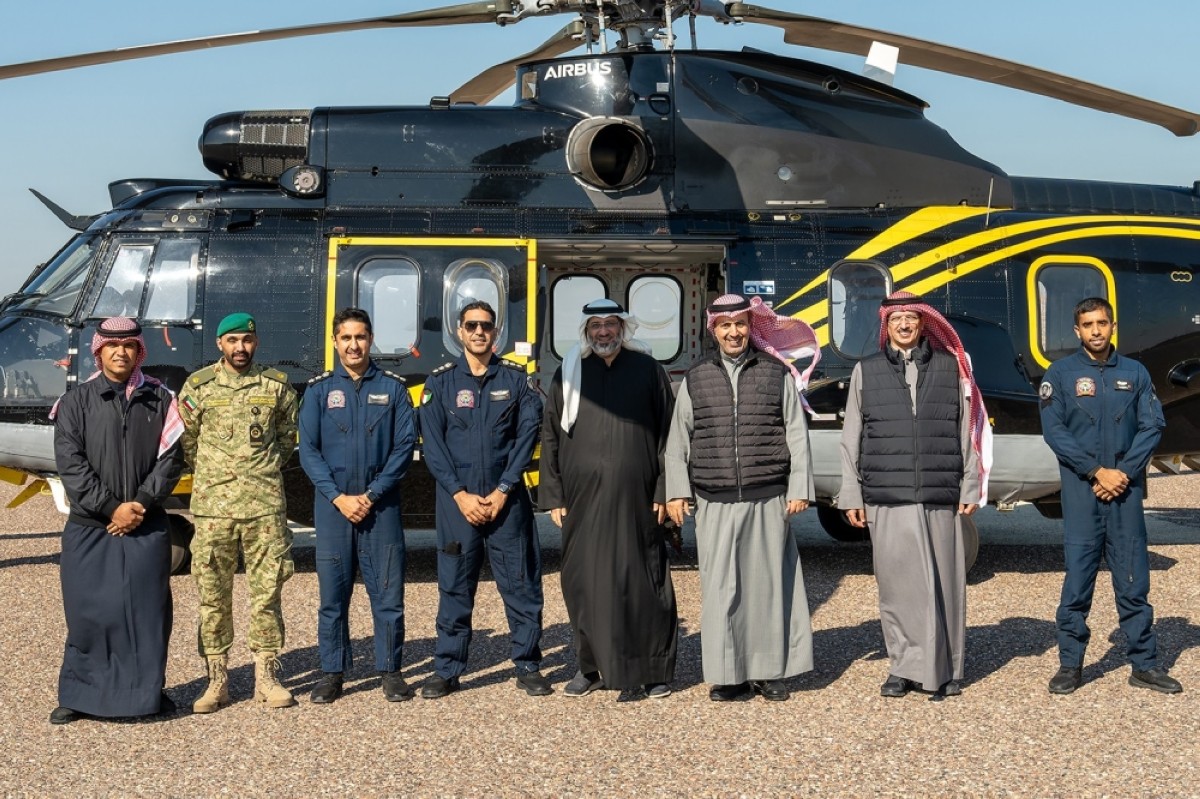
Tour aims to ensure closer integration between national systems and regional early-warning frameworks
KUWAIT: The GCC Emergency Management Center on Tuesday conducted a field tour of radiation monitoring stations across Kuwait, as part of efforts to strengthen regional preparedness and improve coordination on nuclear and radiological emergencies. The tour focused on assessing operational readiness and ensuring closer integration between national systems and regional early-warning frameworks.
Brig Gen Dr Rashed Al-Marri, Director of the GCC Emergency Management Center, said the visit reflects the center’s commitment to enhance Gulf and national coordination in radiation monitoring. “Organizing this tour comes within the framework of strengthening Gulf and national coordination in radiation monitoring and raising the efficiency of preparedness and early response systems to potential risks,” he told Kuwait News Agency (KUNA).
Al-Marri described radiation monitoring stations as the first line of defense in any early warning system. He said the center’s interest in conducting field visits underscores “the importance of prior readiness and integration among national authorities,” adding that this helps ensure rapid response and protects communities from potential radiological threats.

Brig Gen Dr Rashed Al-Marri

A marine monitoring buoy for chemical and radiological threats.

Officials visit a ground-based monitoring station for chemical and radiological threats.

Brig Gen Dr Rashed Al-Marri interacts with a member of the Kuwait National Guard during the tour.
The GCC Emergency Management Center is headquartered in Kuwait. Al-Marri said ongoing cooperation with relevant Kuwaiti government agencies represents an advanced model of institutional collaboration. He added that this cooperation reflects the GCC states’ commitment to applying the highest standards of radiological safety and security, in line with international best practices.
The tour was organized in cooperation with the Ministry of Interior. Representatives from the Kuwait National Guard, the Ministry of Health and the Kuwait Institute for Scientific Research attended, alongside specialists and experts from relevant national bodies. The visit aimed to review how radiation monitoring stations operate, evaluate their technical readiness and verify their integration with early warning and rapid response systems. It also sought to promote technical knowledge-sharing among participating agencies, supporting radiological safety and protecting public health and the environment.
The tour is part of a broader series of activities and programs carried out by the GCC Emergency Management Center to strengthen monitoring and early warning systems, enhance regional readiness and develop technical and human capacities in nuclear and radiological emergency management. — KUNA
