

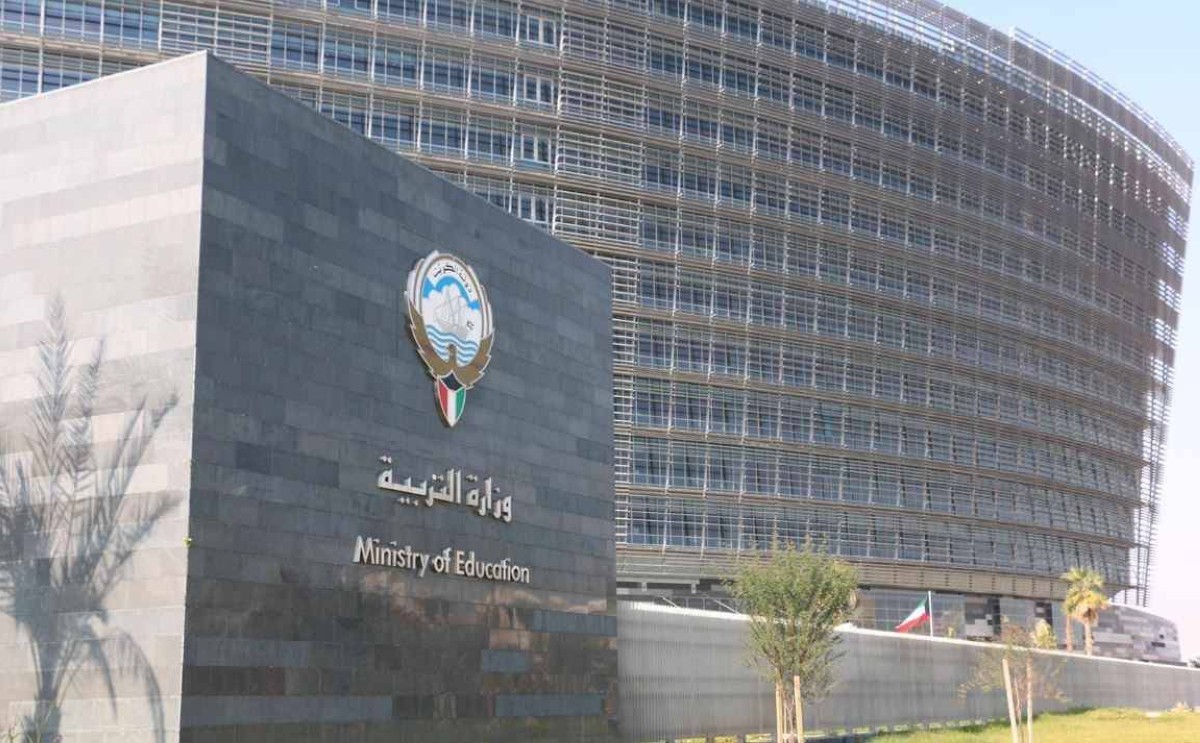
KUWAIT: The Ministry of Education announced on Sunday that it has finalized preparations for the start of first-semester examinations for the 2025-2026 academic year, which are set to begin next Wednesday for middle school students and for the tenth and eleventh grades at the secondary level. In a press statement, the ministry affirmed that all necessary resources and measures have been put in place to ensure a secure, fair and orderly examination environment that guarantees equal opportunities for all students. It noted that Minister of Education Jalal Al-Tabtabaei is keen on establishing an integrated system that safeguards the integrity of the educational process and protects students’ rights.
The ministry explained that creating a safe examination environment is part of a comprehensive framework that combines strict adherence to ministerial regulations, systems and decisions with due consideration for students’ psychological and educational needs. This approach, it said, aims to provide an appropriate atmosphere within examination halls, ensuring high levels of psychological and physical comfort that enable students to perform to the best of their abilities while reducing stress and taking individual differences into account.
The ministry stressed its commitment to the firm enforcement of examination laws and regulations, particularly those related to violations, in line with recent amendments to the Penal Code that introduced two new articles criminalizing cheating and the leaking of examination questions or answers. It emphasized that preserving the integrity of examinations is a national responsibility that allows no compromise or leniency under any circumstances.
The statement noted that the amended Penal Code criminalizes all acts related to cheating, leaking exam materials, manipulating the examination process or facilitating such acts in any form. Penalties apply to anyone who participates in, incites, mediates or benefits from these violations, underscoring that the integrity of examinations is a red line that cannot be crossed. The ministry said the amendments are intended to protect educational fairness, safeguard the credibility of academic certificates and deter any attempts to undermine public confidence in the education system.
The minister affirmed that the law will be applied rigorously, with any employee involved in the examination process — at any level — being referred to the competent authorities if found to have compromised exam integrity, facilitated cheating or interfered with examination procedures or results. She stressed that legal action will be taken without hesitation against anyone, whether inside or outside the educational system, who violates examination regulations. All observed incidents, she added, will be immediately referred to the relevant authorities in accordance with the law.
At the same time, the minister expressed full confidence in educational and administrative staff, pledging continued support to enable them to perform their duties in line with approved regulations and procedures. She commended school administrations, invigilators and supervisors for their commitment to their national duty and their diligent monitoring of examination regulations within exam halls.
The ministry also announced the continued activation of the National Observer system, with the appointment of 215 national observers selected in accordance with announced criteria from among qualified applicants. The observers will begin their duties with the start of middle school, tenth and eleventh grade examinations. The selection process, the ministry said, was based on personal interview assessments, with candidates achieving the highest scores chosen to ensure competence and readiness.
The national observers have completed a specialized training program covering their roles and responsibilities, operational procedures within examination committees, and the automated system for submitting daily reports and documenting field visits. The ministry further highlighted the role of school administrations in enforcing examination violation regulations against students who breach them, thereby achieving educational deterrence, protecting compliant students and promoting a culture of discipline and responsibility. In preparation for the exams, the ministry said it has provided students with a wide range of educational resources issued by the technical guidance departments. These include the electronic library on the Ministry of Education’s website, which offers more than 1,000 examination models and review materials for various grade levels, supporting equal access for students and parents.
The ministry also pointed to the “Smart Chat” service (with Hamad), designed to reinforce learning and facilitate revision through practical exercises aligned with the curriculum, as well as the “With Salem and Abeer” educational application, which contains more than 22,000 questions and answers across different educational stages. The Ministry of Education reiterated that safeguarding the integrity of the educational process is a non-negotiable priority and a shared responsibility across the education system. It stressed that students remain at the heart of the process, affirming its commitment to combining firm legal enforcement with educational and humane care, in the best interest of education and the quality of its outcomes. — KUNA
