

System analyzes reports instantly, links local authorities with global social media companies: Official
KUWAIT: Kuwait has launched a new digital platform designed to speed up responses to cybercrime reports by using artificial intelligence, officials said at a national cybersecurity conference on Wednesday. The announcement came during the opening of the seventh Kuwait Conference on Combating Cybercrime, where the platform was framed as part of a broader effort to protect the country’s digital space amid rapid digital transformation.
Mohammad Al-Jasem, President of the conference, said the platform was developed to overcome delays in traditional reporting systems. “The platform was designed to accelerate responses to reports by integrating artificial intelligence,” he said. He added that reports can now be analyzed immediately, with guidance and answers provided “instead of delays that may extend for weeks.”
The platform was developed in cooperation with Interpol and, according to Al-Jasem, aims to link local authorities with international companies that own social media platforms, including Meta, Facebook, Instagram, WhatsApp and TikTok. This, he said, allows cyber incidents to be followed in real time, reduces the targeting of victims and helps address technical vulnerabilities.
He added that the platform has been trained to operate in accordance with Kuwaiti laws and regulations, enabling it to provide “accurate and secure consultations” while raising public awareness and protecting users from digital risks. The platform, he said, is part of broader efforts to build a trusted and secure digital environment and reflects Kuwait’s commitment to innovative solutions to cyber threats.

Manal Al-Mazyad

Mohammad Al-Jasem
Cybercrime getting complex
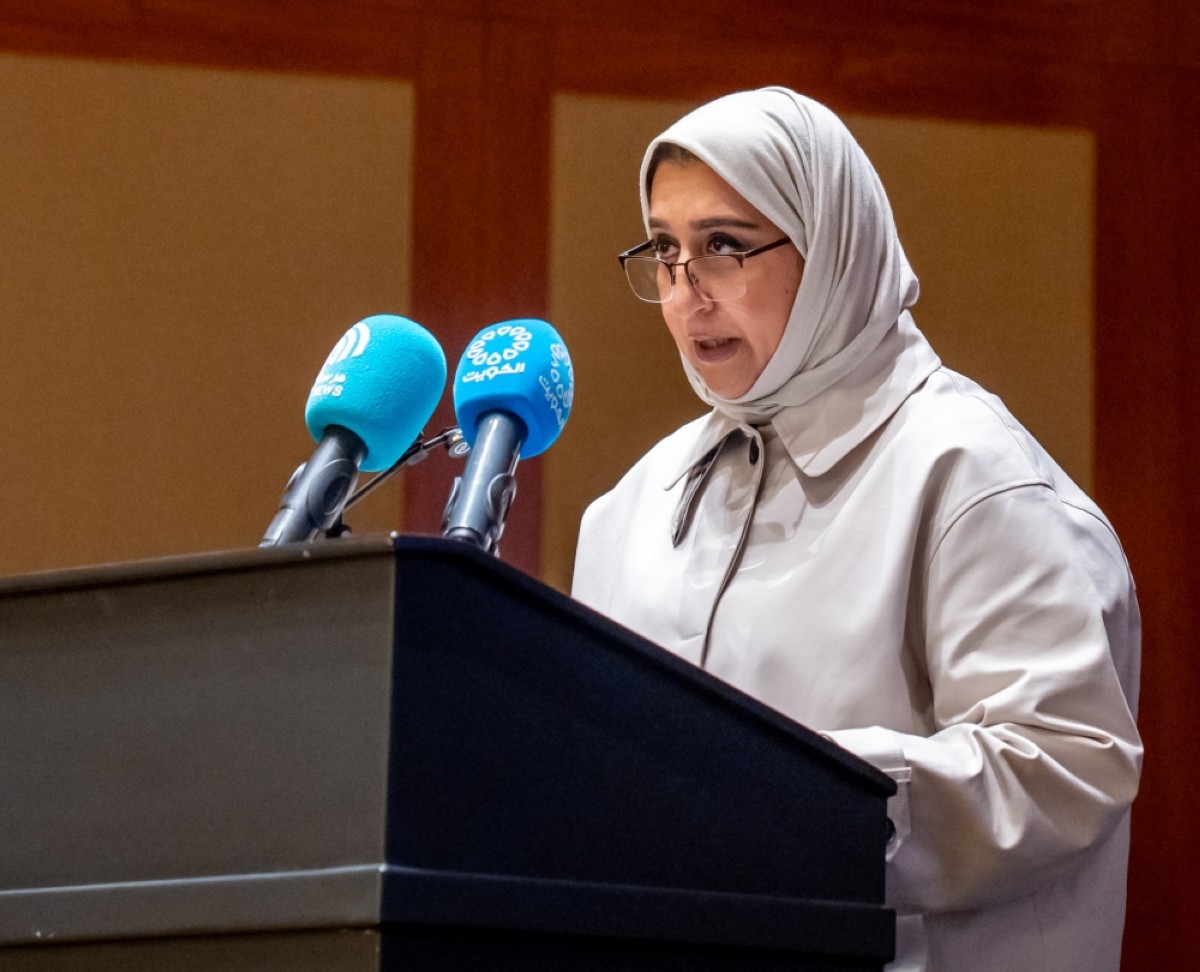
The platform was unveiled during the opening of the two-day conference, which brings together government, private sector, and academic participants to address the growing impact of cybercrime on individuals and institutions. Najat Ibrahim, Acting Director General of the Central Agency for Information Technology, said Kuwait is keen to adopt global best practices in cybersecurity and to build an integrated national system capable of confronting electronic threats “with efficiency and professionalism.”
In her opening remarks, Ibrahim said Kuwait’s digital transformation creates new opportunities but also increasingly complex security challenges. “Cybercrimes are no longer limited to simple breaches,” she said, noting that they now affect national security, the economy, and personal privacy.
She stressed that protecting cyberspace is a shared national responsibility that requires cooperation among government agencies, the private sector and civil society. The conference, she added, provides a key platform for exchanging expertise and discussing protection and prevention strategies.
Manal Al-Mazyad, Vice Chairman of the Board at the Communications and Information Technology Regulatory Authority (CITRA), said cybercrime has moved beyond being a purely technical issue. “It has become a direct threat to people’s trust in their digital future,” she said, calling for integrated national efforts to confront it.
Al-Mazyad said the authority’s role includes regulating networks to protect user data, supporting innovation in cybersecurity solutions and coordinating with security agencies to analyze threats and track their sources. She also pointed to the authority’s participation in the government services application “Sahel,” saying it supports a unified and secure digital system, strengthens trust in digital identity, and helps curb fraud and impersonation.
The conference includes panel discussions on the legal and legislative aspects of cybercrime, regional and international partnerships and community awareness, with participation from government representatives, academics and legal experts. — KUNA
