

New solar stations timeline presented as ministerial committee reviews power strategy
KUWAIT: Kuwait’s undersecretary for electricity, water and renewable energy presented a three-year roadmap for the country’s power sector on Wednesday, including a timeline for bringing new solar stations online. Dr Adel Mohammed Al-Zamel outlined the ministry’s work plan, strategies and programs, with a focus on the electricity system and the development of renewable energy.
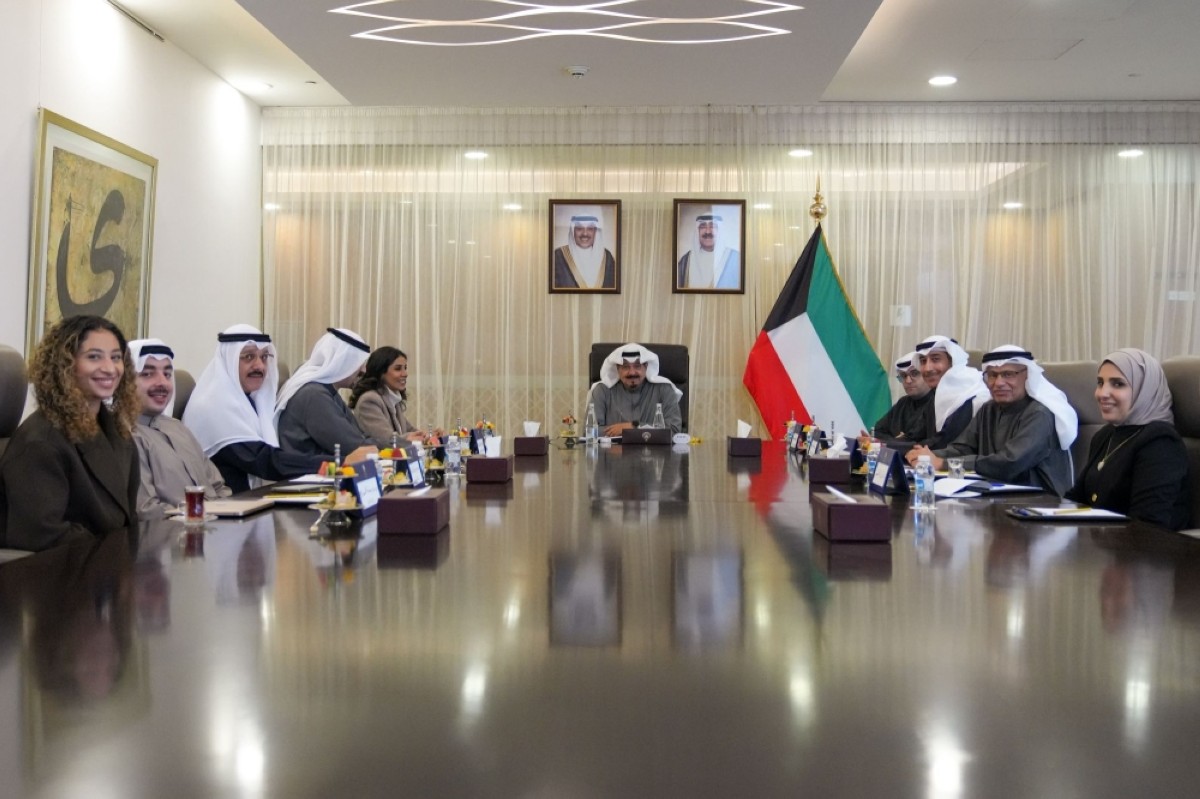
The briefing took place during the 41st meeting of the ministerial committee overseeing the implementation of major development projects, chaired by HH the Prime Minister Sheikh Ahmad Al-Abdullah Al-Ahmad Al-Sabah at Bayan Palace. Kuwait News Agency reported the meeting, but didn’t specify details of the roadmap.
Kuwait is advancing several large-scale renewable energy projects, focusing on solar and wind power, as part of its target to generate 30 percent of electricity from renewables by 2030. In March, Kuwait and China signed an agreement outlining Chinese oversight for the third and fourth phases of the Shagaya Renewable Energy Complex and the Al-Abdiliya solar plant projects.
The country also recorded its highest quarterly development spending in five years. Government spending on development projects reached about KD 132.4 million (around $434 million) by the end of the first quarter of the 2025–2026 plan, up 11 percent from the second-highest quarterly level recorded in 2020–2021. According to a report from the General Secretariat of the Supreme Council for Planning and Development, spending on infrastructure projects was the highest, reaching 11 percent by the end of the quarter. Among the key projects is the first phase of Mubarak Al-Kabeer Port, scheduled for completion in 2028.
The committee overseeing major development projects was formed in early 2025 after Kuwait signed multiple memoranda of understanding with China. Under these agreements, state-owned Chinese companies are tasked with overseeing the design and operation of major development projects in Kuwait, with Mubarak Al-Kabeer Port as a flagship initiative. The committee’s meetings have been publicly reported by Kuwait News Agency since June.
In recent months, the committee has continued meeting to review cooperation projects and coordination mechanisms between the two governments. Officials said the committee examines implementation challenges, sets priorities, and coordinates with relevant ministries and government agencies responsible for carrying out the agreements.
On Wednesday, the committee reviewed updates on large-scale projects involving friendly countries, including Mubarak Al-Kabeer Port, regional electricity grid cooperation, renewable energy, and low-carbon waste recycling systems. Discussions also covered housing development, environmental infrastructure for wastewater treatment, free zones, economic zones, and projects aimed at combating desertification.
The Prime Minister instructed committee members to enhance coordination with partner governments, saying it “reflects Kuwait’s serious commitment to expanding major development projects and deepening economic ties with other countries.” He emphasized that large development projects are central to strengthening the national economy and creating high-quality jobs, adding that citizens’ interests come first when setting strategic development goals, in line with the directives of HH the Amir Sheikh Meshal Al-Ahmad Al-Jaber Al-Sabah.
Assistant Foreign Minister for Asian Affairs and committee rapporteur Ambassador Samih Jawhar Hayat said the meeting reviewed detailed reports and updates from relevant government bodies on project implementation. Senior ministers and officials from public works, municipal and housing affairs, investment promotion, legal bodies, the energy sector, and the Ministry of Foreign Affairs attended the meeting. — Agencies
