

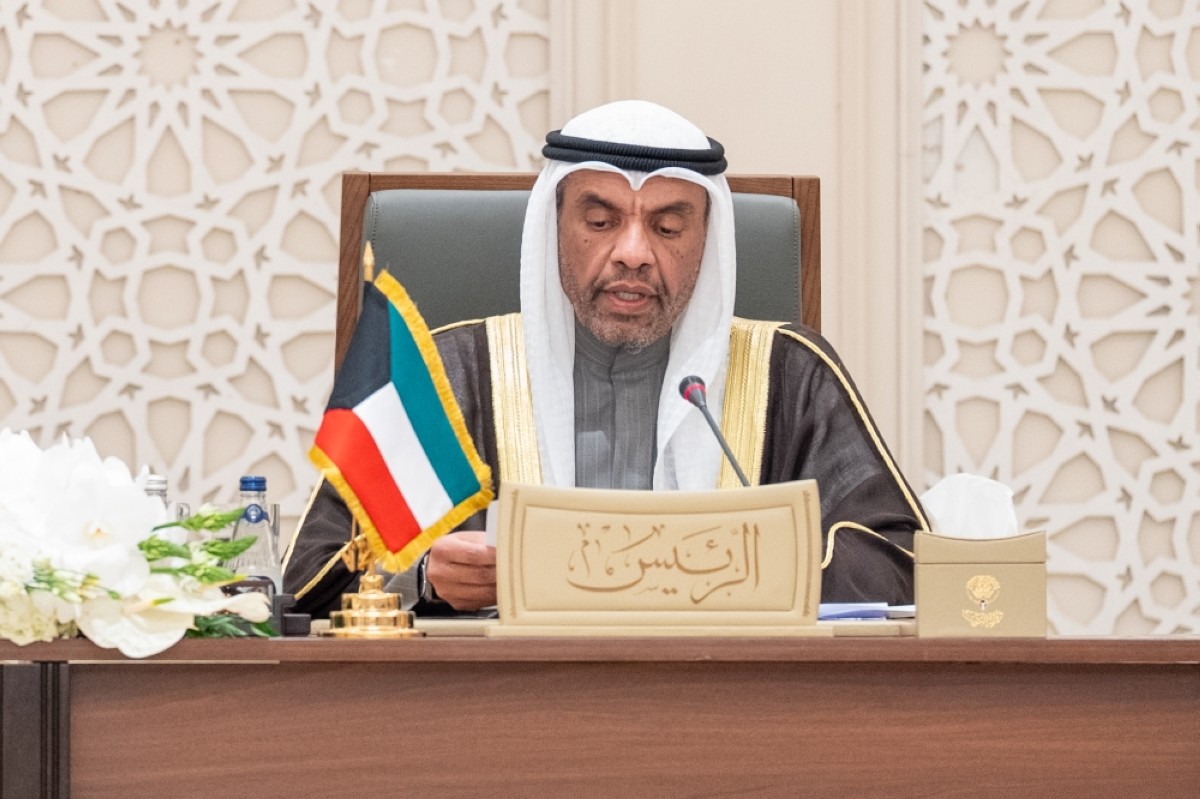
Kuwait-led sessions bolstered institutional coordination, international partnerships: Al-Yahya
KUWAIT: Kuwait’s chairmanship of the Gulf Cooperation Council (GCC) this year brought “unprecedented momentum” in regional coordination, Foreign Minister Abdullah Al-Yahya said Saturday. Speaking to KUNA ahead of the end of Kuwait’s term as chair of the GCC Supreme Council, Al-Yahya said the country “embodied the wise political vision in enhancing the GGC’s presence regionally and internationally as a pillar of security, stability and prosperity.”
He added that Kuwait focused on strengthening institutional mechanisms, emphasizing consultation, coordination and accelerating the implementation of GCC decisions to meet regional and global challenges. “The current GCC session witnessed unprecedented momentum,” Al-Yahya said, noting ministerial meetings and specialized committees that “enhanced Gulf unity and solidified positions on regional and international issues.”
He added: “During this session, the Council was able to activate preventive diplomacy tools and develop political coordination mechanisms, enhancing its role as an effective platform for addressing and confronting a number of crises and challenges.”
Economic, political efforts
Al-Yahya said the chairmanship prioritized economic integration, including advancing the GCC Common Market and the GCC Customs Union. Kuwait also worked towards improving the flow of capital, goods and services, and creating a more competitive environment for investment.
Al-Yahya also highlighted GCC efforts on critical sustainability issues, including food security, water management and renewable energy development. “Kuwait supported GCC programs aimed at transitioning to a green economy and enhancing regional cooperation to address climate change challenges,” he added, noting that these efforts are central to achieving long-term sustainable development in the Gulf.
On political issues, he said the GCC maintained firm positions, with the Palestinian cause at the top of its priorities. “The Council adopted a steady stance calling for an immediate halt to aggression on Gaza, ensuring humanitarian aid flows freely, and supporting international efforts to revive the peace process according to international references and the Arab Peace Initiative,” he said.
Al-Yahya highlighted GCC engagement on multiple regional conflicts. On Yemen, he said the council continues to support UN-led efforts for a comprehensive political solution that preserves Yemen’s unity and sovereignty. “The GCC remains committed to ending the humanitarian crisis in line with the Gulf Initiative, its implementation mechanism, and UN Security Council Resolution 2216,” he said.
The minister emphasized the GCC’s support for political reform and state-building in Lebanon to strengthen its sovereignty, security and stability. He added that the council aims to help meet the aspirations of the Lebanese people.
Al-Yahya expressed concern over the ongoing war and worsening humanitarian conditions in Sudan. He called on all parties to comply with international humanitarian law, protect civilians and prioritize dialogue to restore peace and security. On Syria, he said GCC states are prepared to support reconstruction and development, including rebuilding state institutions and improving living conditions. “These efforts aim to ensure Syria’s territorial unity and long-term stability,” he said.
During Kuwait’s chairmanship, the GCC hosted and participated in key international meetings. Al-Yahya cited the May Gulf-US summit in Riyadh, the GCC-ASEAN summit, and the GCC-ASEAN-China trilateral summit in Kuala Lumpur, focusing on economic integration, energy, sustainability and digital innovation. He also highlighted GCC-EU ministerial meetings in October covering trade, investment, renewable energy and regional security.
Deeper integration
The minister noted progress in GCC security and defense cooperation, including operational coordination, information sharing, and joint exercises, alongside initiatives on youth, culture and social services.
Kuwait’s Assistant Foreign Minister for GCC Affairs, Najeeb Al-Bader, underlined the need for continued Gulf coordination. Speaking Friday on the sidelines of a GCC ministerial committee meeting in Manama, he said the region faces pressing challenges that require “deeper Gulf integration and closer coordination across political, economic, security and development issues.” The meeting reviewed draft resolutions ahead of the GCC summit in Bahrain on December 3. Al-Yahya extended his best wishes to Bahrain as it assumes the GCC chair on that date, hoping its leadership will advance joint Gulf action.
“Kuwait will remain committed to supporting the GCC,” Al-Yahya said, “believing this entity is a strategic pillar for security, stability and development in the region, and that Gulf unity is key to achieving the aspirations of our peoples for prosperity and progress.” — Agencies
