

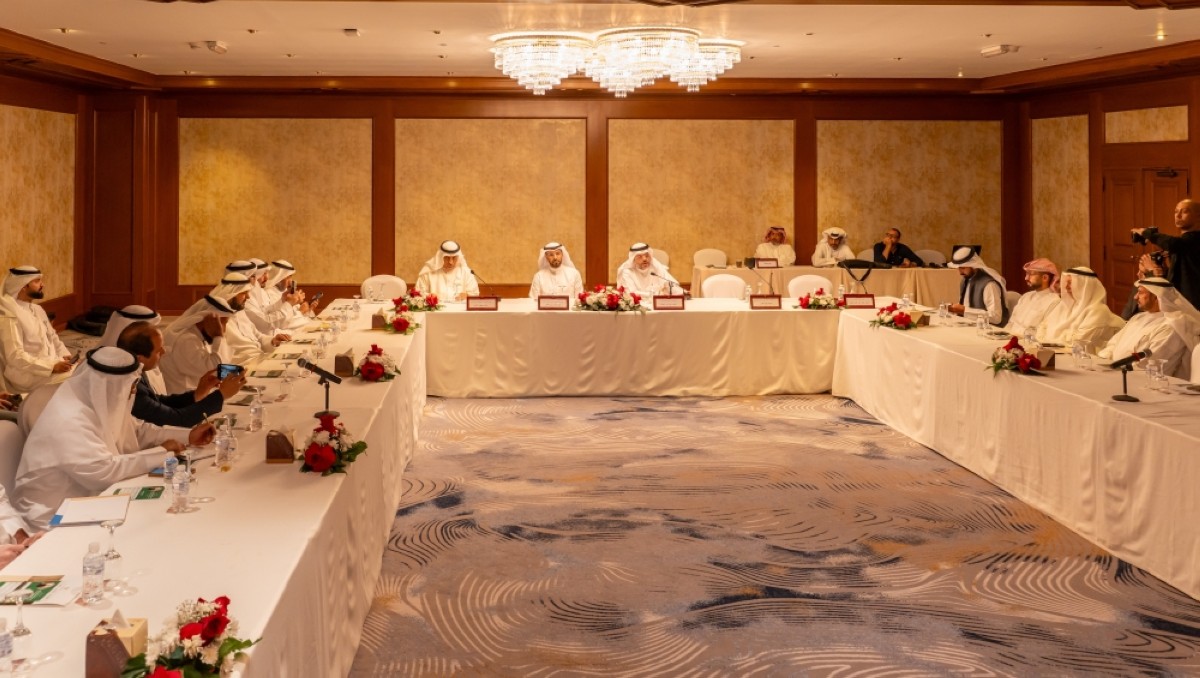
KUWAIT: Undersecretary of the Ministry of Social Affairs, Dr Khaled Al-Ajmi, reaffirmed Kuwait’s dedication to strengthening the social welfare system and safeguarding vulnerable groups, placing human well-being at the heart of the nation’s values and identity. Dr Al-Ajmi made the remarks during a workshop titled “Social Welfare Categories in Kuwait: Current Challenges and Future Vision”, organized on Monday by the Union of Kuwaiti Charitable Societies and Foundations, with participation from government and private entities, as well as representatives of charitable organizations.
He highlighted the Ministry’s broad mandate to care for diverse groups, each with unique needs and challenges. Monthly social assistance for family care reaches approximately 40,000 beneficiaries, with an annual expenditure exceeding KD 220 million, reflecting the state’s commitment to protecting families and ensuring a basic standard of living. The Ministry also provides support to the elderly, serving more than 4,000 beneficiaries, and manages rehabilitation and reintegration programs for juvenile delinquents.

Dr Khaled Al-Ajmi

Saad Al-Otaibi

Dr Yaqoub Al-Kandari
In addition, Dr Al-Ajmi emphasized the legal, humanitarian and national responsibility of caring for children in foster care or of unknown parentage, noting that the number of such children exceeds 817. He outlined the Ministry’s efforts to enhance social support through the Central Assistance System, which has received over 70,000 applications since its launch. More than 16,000 applications have been approved, with total disbursements nearing KD 30 million, demonstrating the system’s efficiency in addressing urgent social needs.
Dr Al-Ajmi praised the Union of Charitable Societies and Foundations for its role in strengthening community partnerships and enhancing the country’s social welfare system, stressing that community service lies at the core of Kuwait’s identity. Saad Al-Otaibi, Chairman of the Union, told Kuwait News Agency (KUNA) that the workshop sought to establish a collaborative government-community framework to identify intervention priorities, gaps in services, the most vulnerable groups and pathways to economic empowerment.
He emphasized that the shift from traditional welfare to a modern social protection model has become a national necessity, requiring a comprehensive framework based on rights, empowerment and community engagement. Al-Otaibi noted that while the charitable sector is a key partner in social protection, it does not replace the state but works in coordination with it across sectors such as education, health, housing, rehabilitation and economic empowerment. He also highlighted the role of the private sector through corporate social responsibility initiatives that deliver sustainable impact.
Dr Yaqoub Al-Kandari, Acting Director of the Center for Gulf and Arabian Peninsula Studies at Kuwait University, presented a research paper at the workshop outlining general frameworks for social protection and identifying 13 key challenges facing Kuwait’s social welfare system. He proposed eight recommendations to strengthen collaboration between the Ministry and charitable organizations, aiming to further develop the national social welfare framework. Dr Al-Kandari emphasized Kuwait University’s commitment to linking academic research with societal realities to support national development. — KUNA
