

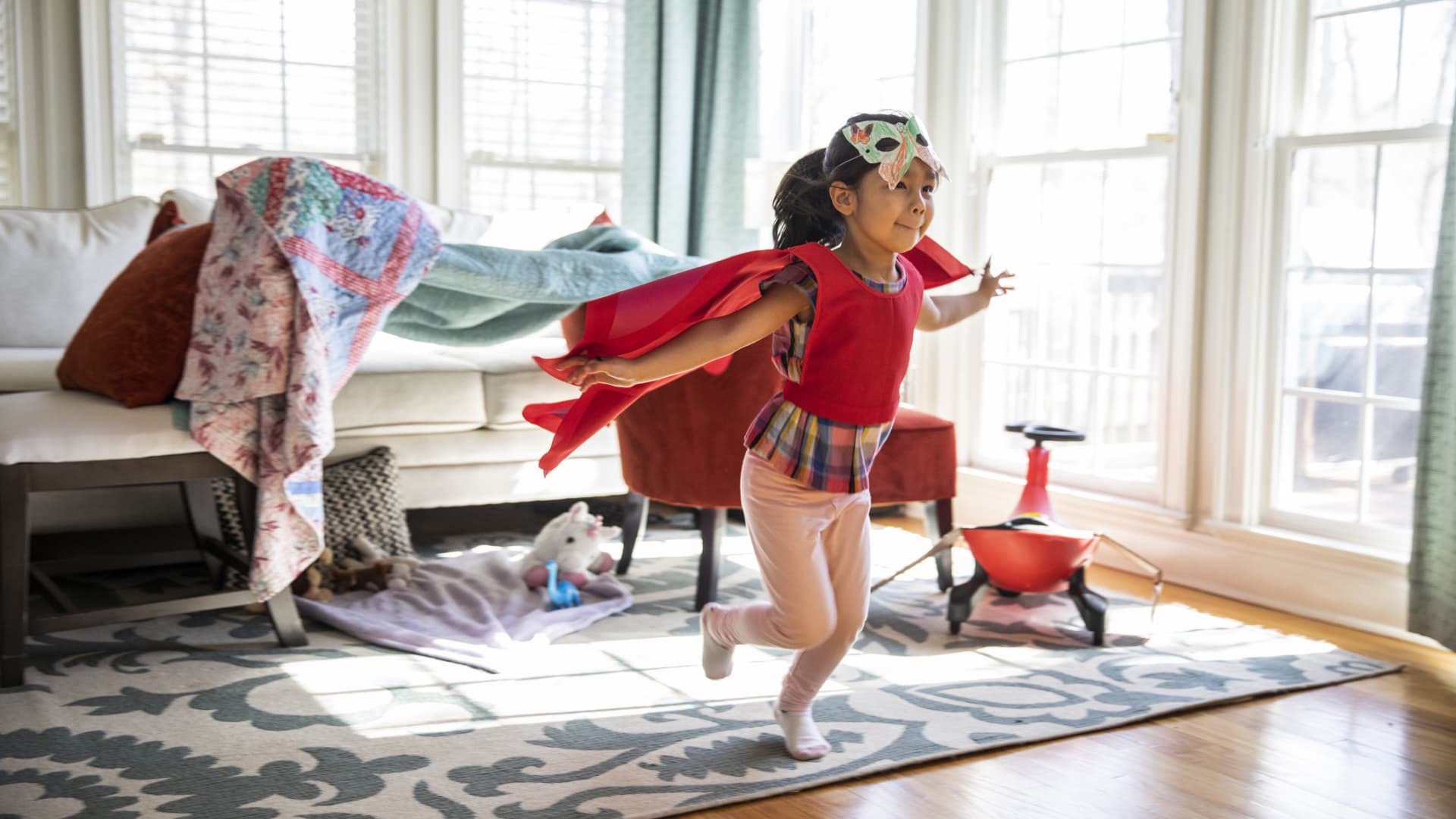
Organizational psychologist Sunita Sah wants parents everywhere to understand that a defiant child isn’t always a bad kid.
Parents who want their children to grow up to be confident and assertive adults shouldn’t necessarily encourage total obedience, Sah told the “Good Inside” podcast, in an episode that aired on Nov. 11. “Sometimes, it is bad to be so good, [and] there are situations you want people to be speaking up,” said Sah, a professor of management and organizations at Cornell University. She authored the book, “Defy: The Power of No in a World that Demands Yes,” which published on Jan. 14.
Parents typically over-train their kids to be compliant and respectful, which makes the job of parenting a bit easier, Sah said. However, if parents aren’t also training their children how to “practice” defiance in warranted situations, those kids will likely find it “awkward [and] uncomfortable” to stand their ground and assert themselves when they’re older, Sah said.
Children who don’t learn and practice self-advocacy are less likely to develop the self-esteem they need to grow into confident, assertive adults who aren’t afraid to speak up to get what they need, author and certified conscious parenting coach Reem Raouda told CNBC Make It in November.
“A child’s dignity — their thoughts, their beliefs, how they feel — is just monumental compared to their obedience,” Raouda said. “We want them to be confident. We want them to speak up.”
DON’T MISS: The ultimate guide to using AI to communicate better
Appropriately defiant children may push back on adults who are in the wrong, or speak out against other kids bullying a fellow classmate, said Sah. They might respectfully speak up for themselves if they believe they’re right about something, after someone else — even a parent — has told them they’re wrong.
“If we haven’t learned how to [be defiant], we end up saying ‘yes’ a lot,” Sah said. “We end up either being silent [or] being compliant and getting ourselves in situations that we would rather not be in.”
Sah recommended that kids “practice” assertiveness through an occasional and purposeful “small act of defiance,” and said that most parents need a “mindset shift” to rethink how they define defiance. Practicing defiance doesn’t have to mean your child is “loud, bold, and aggressive” while breaking rules and being disruptive or harmful to others, she said.
“That is really thinking of defiance as a personality trait,” said Sah. “It’s actually just a skill, and it’s one that we can learn [with] this mindset shift … There’s ways to be quietly defiant, where we can live in alignment with our values without having to be aggressive about it.”
Redefine ‘defiance’ and model the behavior you want to see
In her book, Sah recommends exercises that kids and adults can employ to practice defiance. These include asking questions — “What’s the line that you wouldn’t cross? What’s the time that you acted in a way that you wish you hadn’t?” — that will help them identify situations where they wish they had spoken up and articulate the positions they feel strongly about, she said on the podcast.
“If we are always telling them to obey us, how can they actually then determine what it is that they truly want?” said Sah.
People who always avoid the tension of confrontation are more likely to stay silent in moments that call for assertiveness, while regretting their inaction later, Sah said. Asking your kids those questions could help them take a principled stand the next time they see a group of friends bullying another student, she said.
Finally, parents need to model the sort of positively assertive behavior they want to see in their own children, Sah noted. That could mean anything from politely returning an incorrect order in a restaurant and asking to be served what you originally ordered, to working up the courage to tell your boss you can’t work over the weekend because you refuse to miss your child’s school play.
“Those lessons stay with us and we remember them, and we remember how our parents act, too,” Sah said.
Black Friday sale: Want to up your AI skills and be more productive? Get 25% off our most popular course of the year, How to Use AI to Be More Successful at Work, with coupon code GETSMART. Offer valid Nov. 17 through Dec. 5, 2025.
Plus, sign up for CNBC Make It’s newsletter to get tips and tricks for success at work, with money and in life, and request to join our exclusive community on LinkedIn to connect with experts and peers.

