

KUWAIT: Kuwaiti filmmakers say a lack of funding and limited infrastructure continue to hold back the country’s film industry, despite growing youth interest and continued government support.
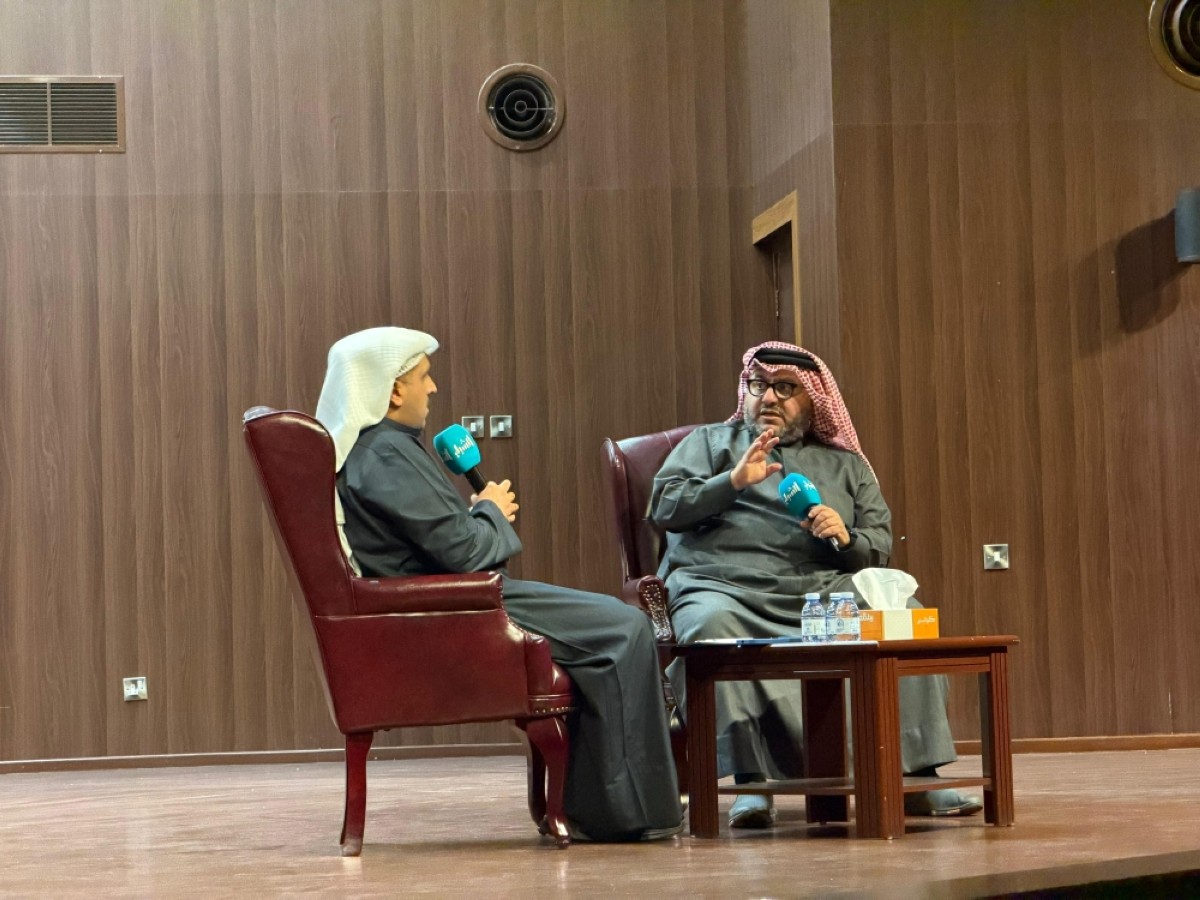
The Public Authority for Youth recently hosted a discussion panel to highlight these challenges and others as part of the first edition of the Youth Cinema Festival. The festival featured screenings of short films by emerging local filmmakers as part of an initiative to promote Kuwait’s cinematic talent.
Dawood Alshuail, Art Director at the Public Authority for Youth, said the event aimed to examine why cinema has lagged behind other creative sectors in Kuwait. “We have success in theatre, television drama, and advertising,” he said. “So we discussed why we don’t have the same success when it comes to movies.”
Alshuail said the authority’s goal is to support young people across creative fields, particularly cinema. “This is the start – stirring the waters toward a successful direction,” he said, expressing hope that the initiative would lead to more training programs and content creators.
Hisham Alghanim, Deputy Chairman of the board at Cinescape, said filmmaking in Kuwait has faced obstacles since its early days, although conditions are gradually improving. “At first we had challenges, but today things are different,” he said.
Alghanim described Kuwait as a pioneer in Gulf cinema, particularly during periods of government support. “When the government started supporting filmmaking, things picked up,” he said. He added that there was a time when Kuwait had internationally trained directors and a strong pool of actors driven by passion rather than profit.
He cited Bas Ya Bahar as a landmark achievement. The film won nine international awards and was the first black-and-white film shot underwater. “Government support helped achieve these distinctions,” he said, adding that state funding remains essential. ““There has to be a fund to support young passionate filmmakers. The government, unlike private companies, isn’t driven by revenue but by the cultural significance it produces.”
Alghanim also spoke about audience preferences, saying horror and action films are more popular when imported, while Arabic comedies tend to succeed locally.
Filmmaker Meshari Alsalman outlined three main challenges facing filmmakers in Kuwait, starting with public perception. “Public opinion about filmmaking is negative, despite the passionate efforts being made,” he said, adding that initiatives like the Youth Authority’s festival are gradually changing attitudes.
Financing, he said, remains a major obstacle. “As filmmakers, we have to take a loan to make one film, which in the end won’t return any revenue,” he said. He praised growing private-sector support and said it is helping create opportunities for a new generation.
Alsalman also highlighted logistical challenges, including a lack of proper studio spaces and lengthy permit processes. “Studio locations are almost nonexistent,” he said. “The only one we have is designed for advertisements, not filmmaking.” He added that obtaining permits can take months, further complicating production.
