

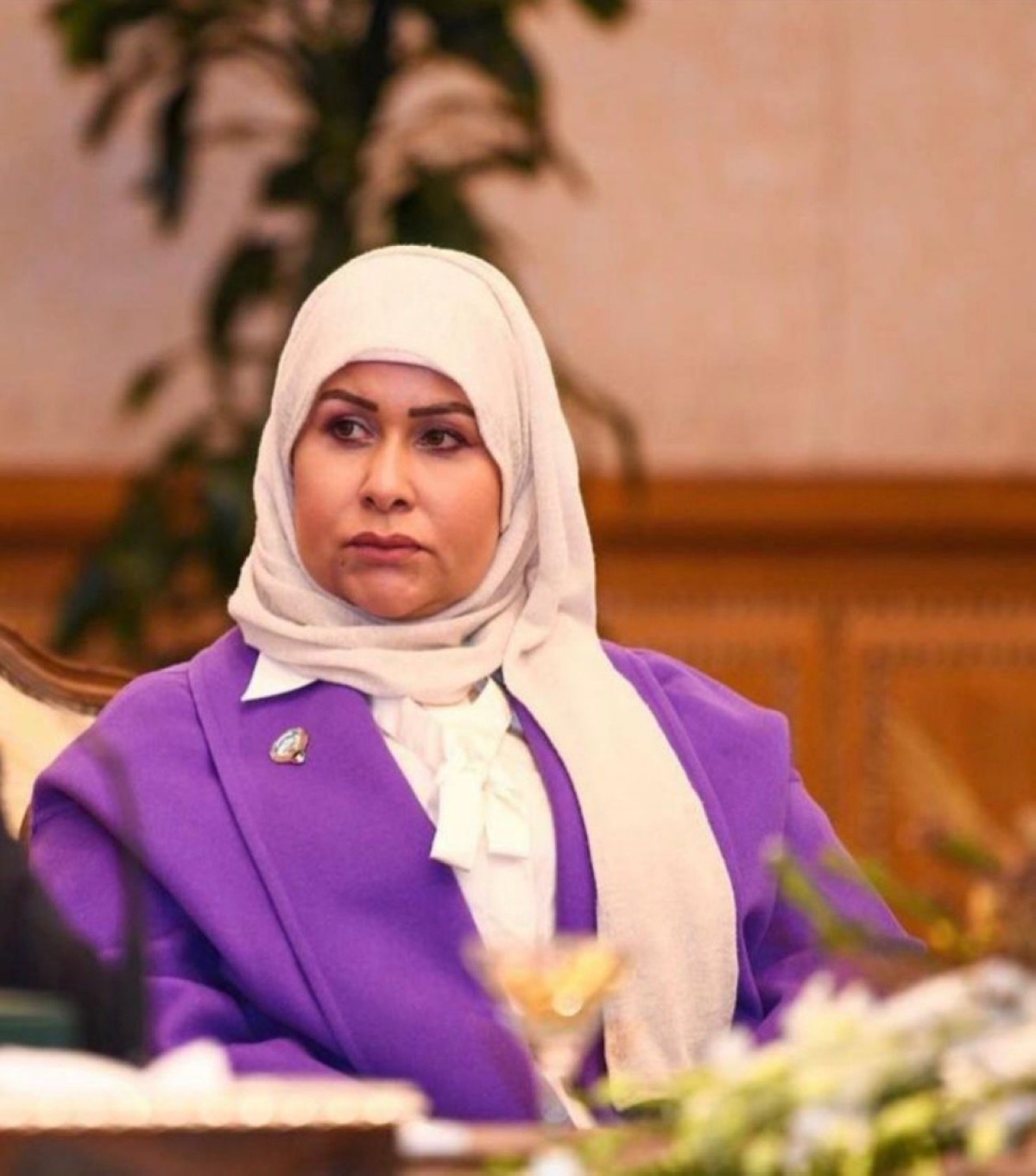
KUWAIT: Director of the Public Relations and Petroleum Media Department at the Ministry of Oil, Sheikha Tamadher Khaled Al-Ahmad Al-Sabah, announced on Monday the successful completion of a comprehensive update of the Energy Media Strategy for the Gulf Cooperation Council (GCC) countries and the Joint Energy Strategy for the GCC countries (2012–2030). In a press release, Sheikha Tamadher Al-Sabah said the update comes in direct implementation of the outcomes of the meeting of GCC undersecretaries of petroleum ministries held in Kuwait last September. During the meeting, approval was given to amend the titles of the two strategies to reflect a shift from a purely petroleum-focused framework to a broader, integrated energy approach.
She explained that the update responds to rapid regional and international developments in the energy sector, ensuring that both strategies are more comprehensive in scope and encompass various energy systems in an integrated manner, while maintaining the pivotal role of oil and gas within the overall energy mix. The revised strategies are aligned with the concepts of energy security, energy transition, sustainability and the circular carbon economy, and aim to enhance the GCC’s ability to deliver balanced messages that reflect the region’s position as a major energy producer and a key partner in global energy stability.
Sheikha Tamadher Al-Sabah noted that the Ministry of Oil, through the Public Relations and Petroleum Media Department, undertook responsibility for implementing the update based on a structured institutional methodology. This approach focused on aligning vision, objectives, policies and implementation mechanisms with the new energy framework, thereby strengthening the integration of the Gulf media message and enhancing its capacity to address current challenges, correct misconceptions and highlight unified Gulf positions on energy and climate issues.
She added that the update went beyond renaming the strategies to include a realignment of their overall frameworks, ensuring coherence between strategic directions, executive policies and media work programs. This, she said, contributes to improving the efficiency of specialized media performance, enhancing coordination among petroleum media entities across GCC states, and supporting a unified Gulf media discourse at regional and international forums.
Sheikha Tamadher Al-Sabah expressed her sincere appreciation to Minister of Oil Tareq Al-Roumi for his guidance and close follow-up on the update of the two strategies, and for his commitment to ensuring that the revisions reflect the status of GCC countries and their pivotal role in the global energy system, while keeping pace with international developments and future requirements. She also reaffirmed Kuwait’s commitment to its leading role in advancing joint Gulf action at both strategic and media levels.
She emphasized that through this initiative, Kuwait continues to play an active role in supporting joint Gulf cooperation and in developing strategic frameworks that enhance the readiness of GCC countries to address future energy challenges. This, she said, reinforces Kuwait’s position as a reliable and responsible partner in stabilizing global energy markets, in line with a sustainable institutional approach based on planning, integration and foresight, and in the best interests of GCC member states. — KUNA
