

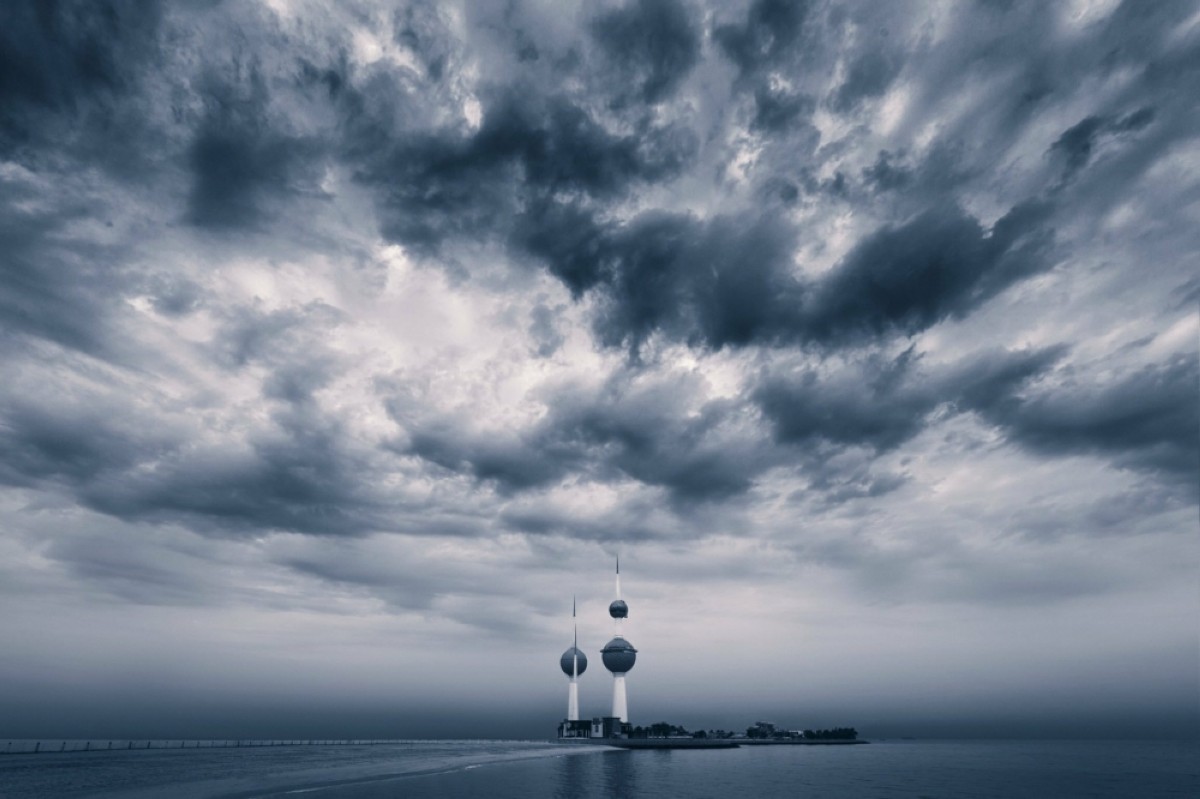
KUWAIT: Polar air masses and the effects of climate change are combining to make Kuwait’s January weather more unpredictable than ever, with bitter cold, sudden warmth and sharp temperature swings across the country. Issa Ramadan, a leading meteorologist, told Sabah Al-Khair Ya Kuwait that Kuwait is currently in the heart of Al-Murabbaniyah, the coldest and most erratic period of the winter season.
The fluctuations are driven by dry, frigid continental air masses moving from Eurasia and Turkey. Unlike milder maritime currents, these polar continental air masses descend directly over the Arabian Peninsula, causing sudden and sharp temperature drops. “Because of recent climate change, weather has become more variable and more unstable,” Ramadan said. “High and low-pressure systems are moving at a crazy pace, and shifting wind directions make afternoons feel warm while nights can be freezing.”
‘Biting cold’
Al-Murabbaniyah is traditionally associated with the coldest nights of the year. Northern and western areas, including Abdali, Al-Salmi and Al-Shagaya, are the hardest hit, with overnight lows reaching 2 to 3°C. Daytime highs in Kuwait City and coastal areas generally range from 8 to 14°C, but wind chill can push the “real feel” below zero in exposed desert areas.
Wind direction plays a key role in these rapid swings: Southeasterly winds, locally referred to as “Al-Kous” temporarily raise temperatures and humidity.
Northwesterly winds bring the intense, “painful” cold that Kuwait is known for. Historically, these desert chills were so severe that HRP Dickson, a British official in the 1930s, compared Kuwait’s winters to the mountainous regions of Pakistan. “He said he had never experienced such biting cold as he did in Kuwait,” said Ramadan.
With weekend and New Year holidays approaching, Ramadan urged residents heading to the desert, farms, or chalets to take precautions. “The desert cold is dangerous and has even caused people to lose their lives,” he said. He recommended keeping spare heavy jackets, blankets, or traditional Farwas in vehicles in case of breakdowns or sudden wind shifts at night.
Climate change
Ramadan also highlighted the broader role of climate change in these volatile winter conditions. “Humans are among the causes of climate change. Increased emissions affect the climate. They alter air masses and make weather more violent and extreme,” he said.
International frameworks such as the Paris Agreement aim for net-zero emissions by 2050. Achieving this will require a massive shift toward clean fuels, energy-efficient infrastructure and green buildings capable of withstanding both 50°C summers and freezing winter nights. “We must adapt to the changes, just as we adapt by wearing warmer clothes. The same applies to housing and infrastructure,” Ramadan added.
