

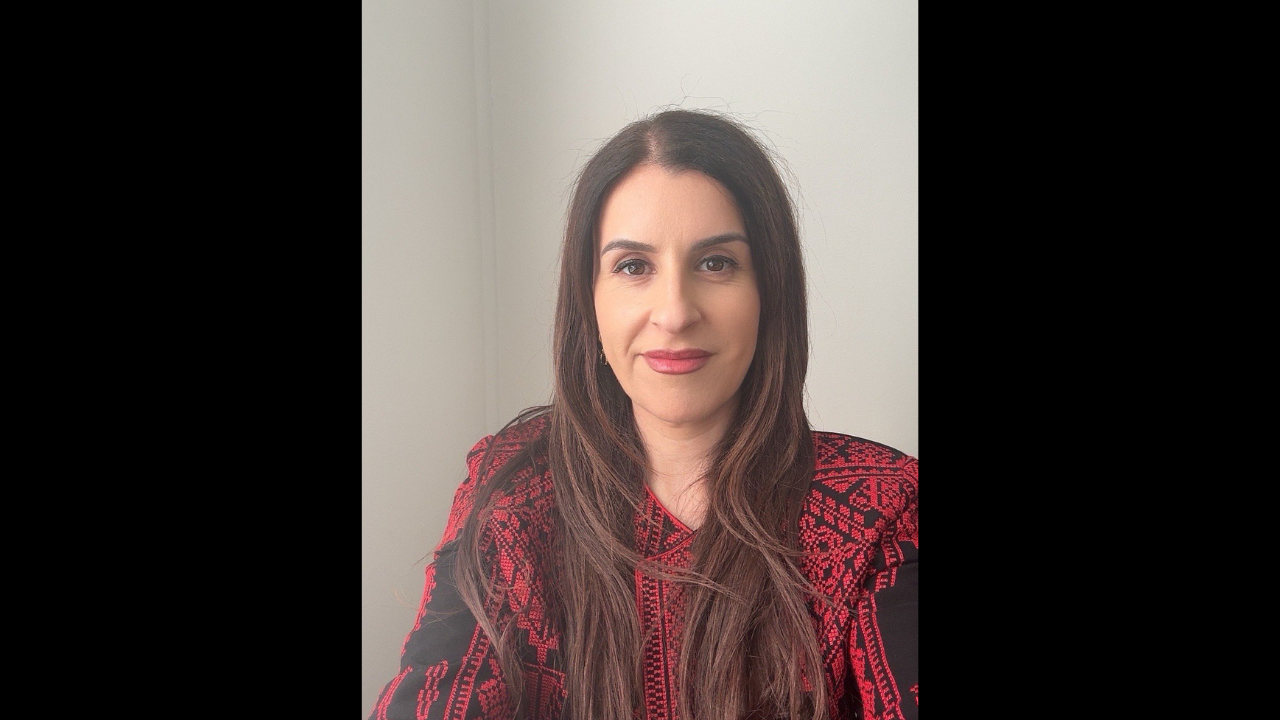
One of Australia’s biggest art festivals is facing a backlash and calls for a boycott after its organisers announced that it would cancel the scheduled appearance of a prominent Palestinian-Australian author and scholar, citing concerns about “cultural sensitivity” in the wake of the Bondi Beach attack.
The Adelaide Festival board said in a statement on Thursday that its members “do not wish to proceed” with Dr Randa Abdel-Fattah’s appearance, as it “would not be culturally sensitive… so soon after” the attack on a Hanukkah celebration that killed 15 people in December.
“We do not suggest in any way that Dr Randa Abdel-Fattah’s [sic] or her writings have any connection with the tragedy at Bondi,” the statement added, citing “her past statements” as the reason for the decision.
In a post on X (formerly Twitter), Abdel-Fattah called the move “a blatant and shameless act of anti-Palestinian racism”, rejecting the association between her and the Bondi massacre.
“The Board’s reasoning suggests that my mere presence is ‘culturally insensitive’; that I, a Palestinian who had nothing to do with the Bondi atrocity, am somehow a trigger for those in mourning and that I should therefore be persona non grata in cultural circles because my very presence as a Palestinian is threatening and ‘unsafe’,” she continued in her statement.
New MEE newsletter: Jerusalem Dispatch
Sign up to get the latest insights and analysis on
Israel-Palestine, alongside Turkey Unpacked and other MEE newsletters
Abdel-Fattah was scheduled to appear as part of Writer’s Week next month. She has featured in the line-up in the past.
At least 11 authors subsequently dropped out of the festival, criticising the board’s decision.
Writer Jane Caro wrote that “authoritarianism is rising” and “I refuse to participate” in the festival’s “censoring [of] ideas it does not like”.
“[R]emoving Palestinians from writers’ festivals won’t prevent antisemitism,” wrote poet Evelyn Araluen, announcing her decision to boycott the Writers’ Week. “I am so disappointed to witness yet another absurd and irrational capitulation to the demands of a genocidal foreign state from the Australian arts sector.”
The Australia Institute, an independent think tank that was sponsoring events in the festival, also announced that it had decided to withdraw its support.
In a statement, it said that “censoring and cancelling authors is not in the spirit of an open and free exchange of ideas”.
Journalist Mary Kostakidis replied to the announcement, calling it a “shocking decision” and warning that the events would be “boycotted by artists and audiences”.
Social media users soon began to call for a widespread boycott of the festival, praising the authors who had already withdrawn from the events.
‘Racist censorship’
Several users criticised the decision as an act of anti-Palestinian racism and racist censorship.
One user wrote: “It’s worth reminding all Australians that Palestinians had absolutely nothing to do with the Bondi shooting.”
“It’s not culturally sensitive to be Palestinian at this time,” wrote another user. It’s v[ery] disturbing that so many institutions can reproduce vicious assertions without evidence about the link between Palestinian rights campaigns and the Bondi killings, then use these assertions to ban people.”
Abdel-Fattah is a fellow at Macquarie University in Sydney and a former litigation lawyer. In addition to her academic publications, she has also published multiple award-winning novels and a picture book.
She is known for her research, essays, media appearances and op-ed writing across a range of topics, including Islamophobia, Palestine, the “war on terror”, youth identities and social movement activism.
In 2025, she was one of 50 authors who boycotted the Bendigo writers’ festival following censorship concerns over a last-minute change to its code of conduct which accepted a controversial definition of antisemitism.
The Adelaide Festival did not respond to MEE’s request for comment by the time of publication.
