

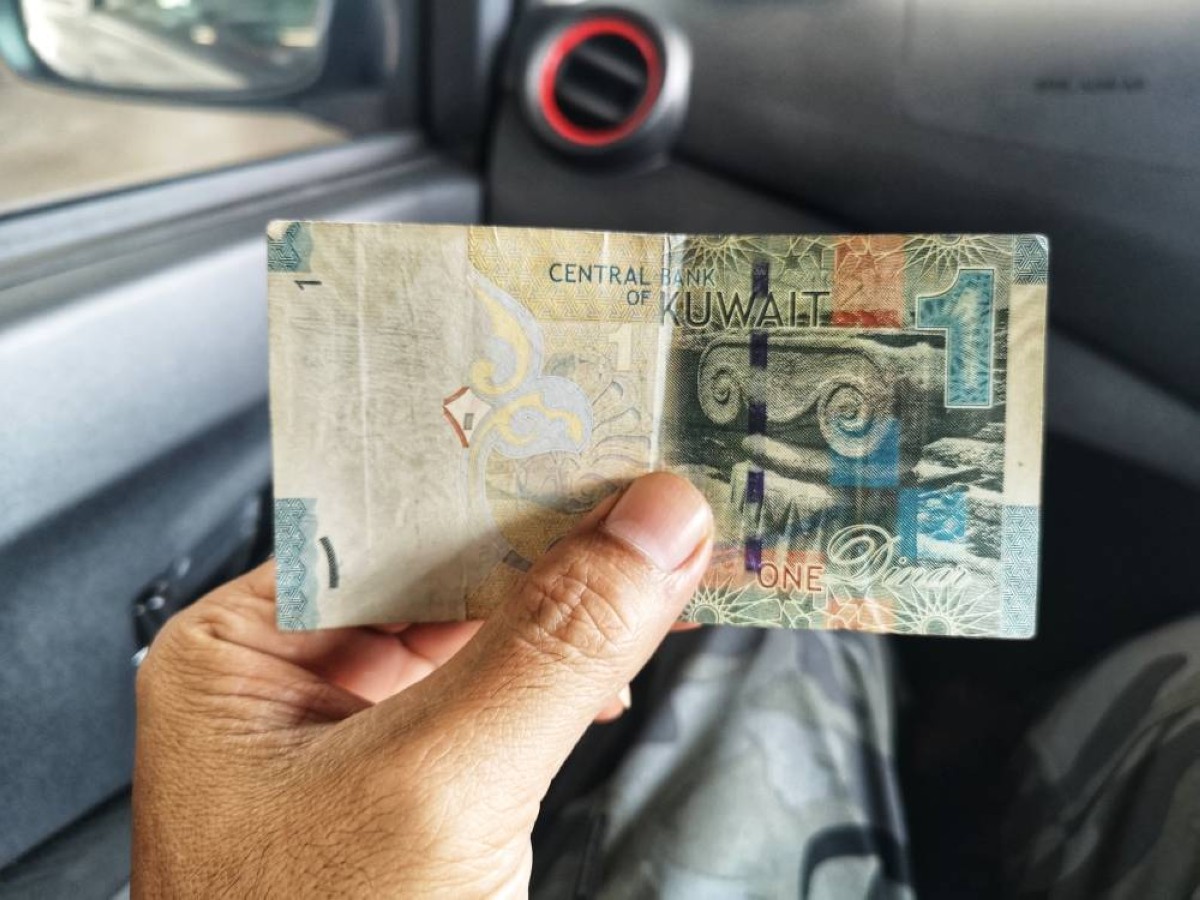
KUWAIT: Digital payment adoption in Kuwait has surged, reducing cash to just 30 percent of everyday spending, according to Visa’s Country Manager for Kuwait Mohammad Reyad, who attributed the shift to the country’s rapid embrace of digital payment solutions. In an interview with KUNA, Reyad said the transformation reflects a fundamental change in consumer payment habits, with digital solutions now prioritized for daily transactions.
This shift is contributing to a more efficient financial system and a stronger digital economy, directly supporting the objectives of Kuwait Vision 2035. Visa’s third edition of the “Where Cash Hides” report shows that 59 percent of consumers in Kuwait are largely non-cash users, making most of their payments via cards or mobile devices — an increase compared to last year. Cash usage declined by 19 percent, marking the largest drop recorded across Gulf Cooperation Council (GCC) markets.
Reyad said these indicators reinforce Kuwait’s regional leadership in digital transformation, driven by growing public trust and the normalization of online payments for everyday needs. He noted that the market is rapidly evolving beyond traditional cash and card swiping toward tokenized and biometric payments powered by smart devices, signaling a high-tech shift in transaction methods.
This transition, he said, is largely due to the early development of Kuwait’s banking infrastructure, with local banks adopting advanced global technologies and offering digital financial services aligned with international standards. He affirmed Visa’s continued support for the Kuwaiti market during its digital transformation, noting that cash is still used in certain limited cases, such as small instant peer transfers and tips, despite the broad expansion of digital payment solutions.
Reyad explained that continued cash usage in other areas, such as rent payments or certain international remittances through exchange companies, is sometimes linked to the limited availability of digital alternatives. However, overall reliance on cash continues to decline, even in activities where it was once the primary method of payment. He added that Visa’s findings confirm a drop in cash usage in areas such as in-app payments, bill settlements and dining outside the home, reflecting a continued shift in consumer preferences.
Reyad credited Kuwait’s regulatory framework with fostering the trust and innovation necessary to accelerate digital commerce and expand the adoption of electronic payments. Digital payments, he concluded, have become a key driver of business productivity in Kuwait, noting that Visa continues to work closely with banks and government entities to expand payment acceptance and modernize the country’s financial infrastructure. – KUNA
