

Strategic plan aims to protect historic homes, market and cinema while guiding sustainable growth
KUWAIT: Kuwait on Sunday kicked off a major event to share plans for the future of Ahmadi, showing how the city’s history and heritage can be protected while it grows and develops for the years ahead. Ahmadi, founded in 1946 after the discovery of oil, is Kuwait’s second-largest city and the capital of Al Ahmadi Governorate. It was the country’s first purpose-built oil city and remains home to the Kuwait Oil Company and the Kuwait National Petroleum Company, along with several major refineries. The city is seen as a symbol of Kuwait’s modern development and a hub for its oil-driven economy.
Four-year restoration
The summit builds on a heritage restoration project launched last year, which includes the rehabilitation of Ahmadi’s old market (Souq) and Ahmadi Cinema. That project, led by the National Council for Culture, Arts and Letters in coordination with the Governorate of Ahmadi, Kuwait Oil Company and UNESCO/UNDP, aims to reopen parts of the buildings next year and complete full restoration over four years. The project also supports efforts to nominate Ahmadi for UNESCO World Heritage status, highlighting its cultural and historical significance.
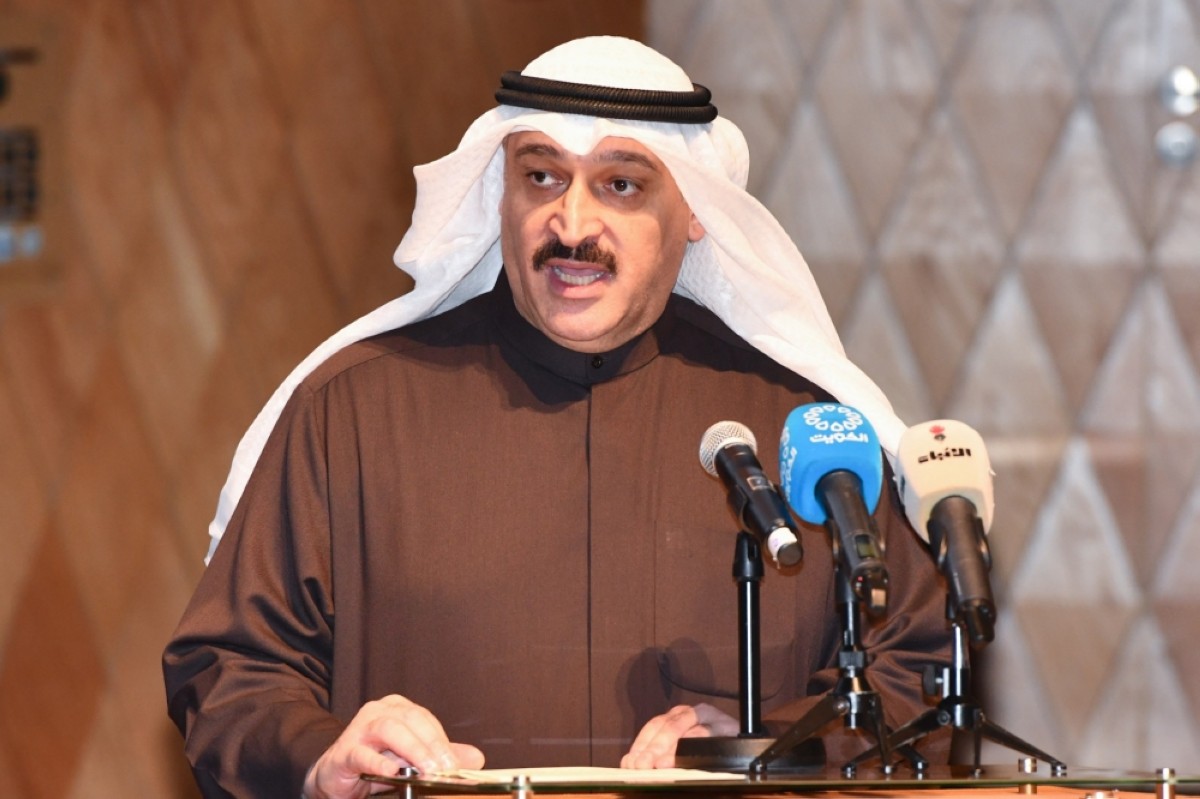
The 2026 summit was organized by Kuwait’s National Council for Culture, Arts and Letters in partnership with UNESCO and the UN Development Programme, and brought together ministers, officials, and heritage and development experts. Speaking on behalf of the Minister of Information and Culture, Health Minister Dr Ahmad Al-Awadhi said the project reflects Kuwait’s effort to honor its past while planning for the future. “Ahmadi has never been just an oil town,” he said. “It’s a cultural landmark and a living record of Kuwait’s urban growth. Today, we are launching a national plan to develop heritage sites and make them part of the country’s broader development.”
Dr Al-Awadhi explained that the first phase focused on documenting and evaluating Ahmadi’s architectural and cultural heritage. The aim, he said, goes beyond protection to reviving the city in a sustainable way, positioning it as a hub for creative industries and a space that connects generations.
He added that the project is a shared effort involving UNESCO, UNDP, the Supreme Council for Planning and Development, local authorities and Kuwait Oil Company.
“The wide participation shows a shared belief that protecting heritage is a collective responsibility,” he said. Al-Awadhi expressed hope that discussions during the two-day program would strengthen institutional cooperation and lay the groundwork for the project’s second phase.

Emma Morley
A database of landmarks
UNDP Resident Representative Emma Morley highlighted Ahmadi’s importance as Kuwait’s first purpose-built oil city. “The city was designed for community life and became the social and cultural heart of the oil sector,” she said. “It shaped the daily lives and collective memory of generations.” Ahmadi, she added, stands as a key example of modern Kuwaiti heritage and a foundation for preserving national identity.
She noted that urban changes have affected some public spaces and landmarks, a common challenge for historic cities adapting to growth. The new strategic plan addresses this by building a detailed database of Ahmadi’s historic homes, market and cinema, creating a foundation for future restoration and development.
The vision aims to turn Ahmadi into a vibrant heritage site that supports people-focused, environmentally friendly and economically diverse growth.

Salah Khaled
UNESCO Regional Director Salah Khaled said Ahmadi has long been an important cultural and social space, but some heritage elements have declined over time. “This new plan is a milestone for bringing institutions together and committing to long-term preservation,” he said.
The two-day event at the Sheikh Jaber Al-Ahmad Cultural Centre will discuss findings of the first phase of the project through leadership sessions and technical workshops. Attendees include Foreign Minister Abdullah Al-Yahya, Minister of State for Municipal Affairs and Housing Abdullatif Al-Meshari, Ahmadi Governor Sheikh Humoud Jaber Al-Ahmad Al-Sabah, Kuwait Oil Company CEO Ahmad Al-Eidan and National Council Secretary General Dr Mohammed Al-Jassar.
Organizers said the event also provides a platform to plan the next phase of the project, ensure coordination with national planning bodies, and support the move from research and evaluation to implementation. — Agencies
