

KUWAIT: As debate grows over the new food pyramid in the United States, Kuwaiti nutrition experts say the model shouldn’t be treated as a rigid set of rules.
Speaking on Kuwaiti television, nutritionist Dr Dana Al-Salem said the updated pyramid reflects new research findings and changing lifestyles but warned against treating it as a one-size-fits-all prescription. “It’s not sacred text,” she said. “Individuals should take from it what suits their health.”
The revised US food pyramid, unveiled this month by Health Secretary Robert F Kennedy Jr, marks a sharp shift from decades of federal dietary advice that encouraged high grain consumption and limiting red meat, full-fat dairy and saturated fats. The new model places red meat, cheese, dairy, fruits and vegetables at the top, while pushing grains, particularly refined carbohydrates, to the narrow base.
“I see this change as positive in some respects, but it really depends on a person’s lifestyle,” said Al-Salem. “I can’t say it suits everyone, especially when it comes to full fats and similar aspects. It depends on your way of life and your health – and whether, God forbid, you have any medical conditions.”
Healthy Kuwaiti cuisine
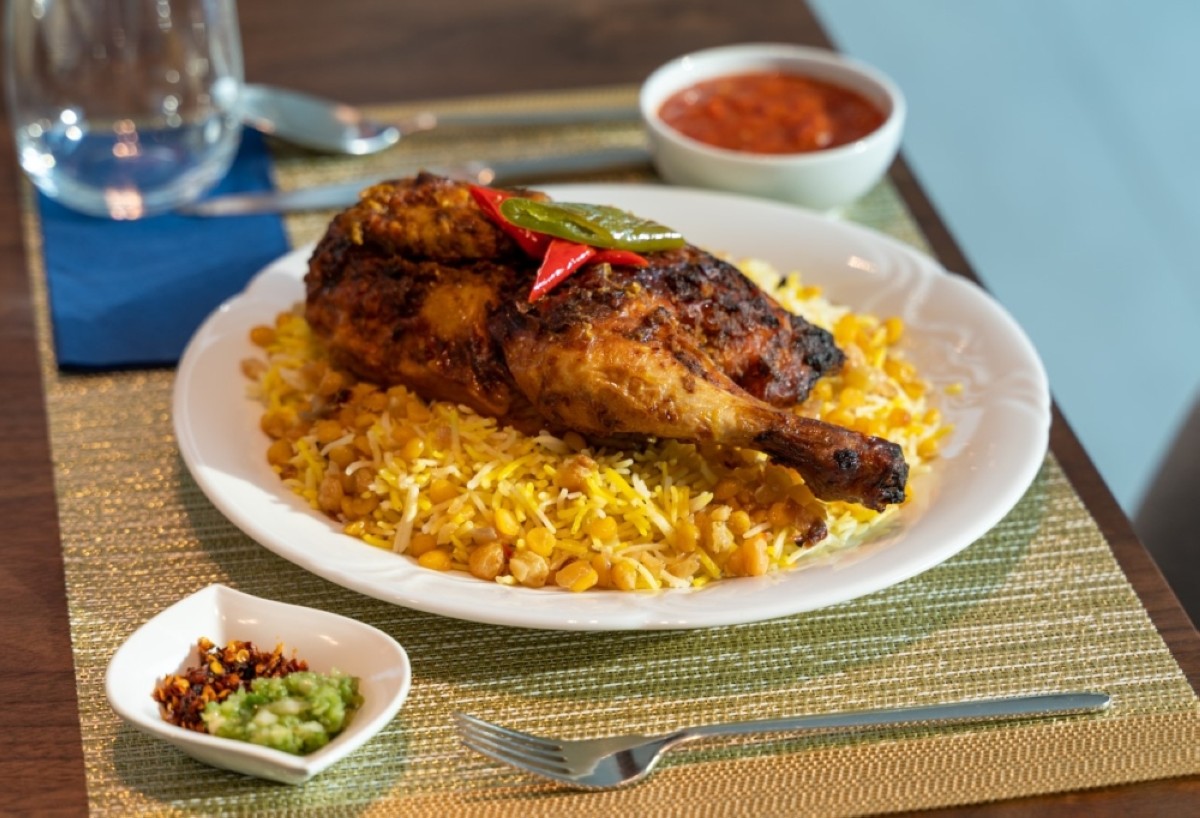
She added that Kuwaiti traditional dishes, such as machboos, can be part of a healthy diet. In a separate interview with KTV, Nutritionist Zainab Dashti said it all depends on the method of preparation.
For example, batcha, slow-cooked heads and hooves of sheep, can be a “nutritional bomb” when prepared slowly on low heat, said Dashti.
To unlock these benefits, Dashti recommends a slow-cook method of at least 12 hours, rather than the standard six-hour boil commonly used in restaurants.
Simmering the bones allows collagen and other nutrients to fully infuse the broth. The broth can then be frozen and reused in stews or to cook rice. Machboos can also be made healthier by oven-roasting meat instead of deep-frying it, which reduces the amount of fat in the dish.
While US officials say the new pyramid aims to encourage the processed products, some American nutrition experts argue that emphasizing red meat consumption and full-fat foods runs counter to long-standing evidence linking excess intake to heart disease. Others have welcomed parts of the overhaul, particularly the stronger push to cut back on highly processed foods and added sugars.
Different lifestyles
Dr Al-Salem said it was natural for dietary guidance to evolve. “Our eating habits, sleep patterns and movement today are completely different from 20 years ago,” she said. “So of course nutritional needs will change.”
The original food pyramid was introduced decades ago to combat malnutrition and obesity. According to Dr Al-Salem, the results were mixed. “Obesity increased, insulin resistance increased, and the outcomes weren’t what researchers hoped for,” she said. She added that newer areas of research – including gut health – were not even taught when she graduated in 2008.
She noted that one of the biggest adjustments in the new pyramid is the reduction of carbohydrates. “Before, bread, rice and pasta were the foundation. Now the focus is on whole grains, and in smaller amounts,” she said.
Dr Al-Salem described this as a positive step, especially given rising rates of obesity and diabetes worldwide.
Rethinking fats
One of the biggest reversals in the pyramid is the push for full-fat foods. Dr Al-Salem said earlier guidance against these foods often backfired. “When you eat something fat-free, you don’t feel full,” she said. “So you snack more, and the body eventually stores excess calories as fat anyway.”
She emphasized that fats are essential for absorbing key vitamins, including vitamin D – a nutrient many people in Kuwait are deficient in. But she stressed that quality matters. She highlighted the benefits of olive oil, avocado oil, and small amounts of clarified butter or ghee for cooking, while warning against industrial vegetable oils like corn, sunflower, or canola, which are highly processed and can contribute to inflammation.
“Deep frying is never healthy – regardless of the oil used. Submerging food in oil just to make it crispy gives the body far more fat than it needs, whether it’s kibbeh, samosas, or anything else,” she said. Using air fryers with minimal oil can preserve flavor without overloading meals with harmful fats, she added.
While Dashti welcomes the inclusion of natural fats like ghee, tallow and whole-fat dairy, she emphasized that this is not a “free pass” for unlimited consumption. She explicitly urged moderation, acknowledging that “excessive saturated fat still carries risks.”
Dr Al-Salem said people can still eat low-fat products but add a healthy source of fat such as olive oil or nuts for a more nutritious and satiating meal.
“But you don’t have to eat full-fat to be healthy, and you don’t have to eat skim either. It depends on what you like and what suits your lifestyle,” she said.
Protein quality over quantity
Dr Al-Salem said protein intake has increased in newer guidelines because it promotes fullness and helps regulate blood sugar. However, she cautioned against focusing only on numbers.
“Animals aren’t raised the way they used to be. Even eggs aren’t the same. Hormones are everywhere,” she said. “So, it’s not just about meeting your protein requirement – it’s about the source.”
Dashti said the stronger focus on protein could address long-standing gaps in previous dietary recommendations. She pointed to sarcopenia, the gradual loss of muscle mass with age, as a growing concern that was previously underestimated.
While animal protein is absorbed more efficiently, Dr Al-Salem said plant proteins can be “cleaner,” depending on how food is produced.
For example, soy protein isn’t considered a “clean” option because much of it comes from genetically modified crops.
She expressed reservations about modern industrial farming practices, noting that grass-fed and organic sources are preferable when possible.
The new pyramid also reduces fruit portions. Dr Al-Salem explained that fruit contains natural sugars and should be eaten mindfully, especially by people concerned about blood sugar levels.
“You don’t have to eat fruit alone,” she said. “Pair it with nuts or yogurt so it doesn’t spike your sugar.”
She recommended the combination because the protein in the nuts and the fiber in the fruit work together to feed beneficial gut bacteria and promote a feeling of satiety that lasts much longer than eating fruit alone.
What parents should do
For Dr Al-Salem, one of the clearest benefits of the revised pyramid is what it signals for children’s diets. She pointed to school lunchboxes filled with croissants, cupcakes and biscuits.
“That’s zero nutritional value,” she said. “It doesn’t help the brain, and it harms the body.”
Both experts welcomed stricter recommendations for children. Added sugar is now discouraged up to age four, up from two. Dr Dashti explained that early exposure to unsweetened foods is critical because it helps children develop healthier taste preferences.
Dr Al-Salem emphasized that children should receive their nutrition from natural food sources rather than supplements.
“A child’s body is smaller than an adult’s and their absorption rate is faster, making products like protein shakes unnecessary,” she said.
But if parents are already providing children with chocolate, a protein-enriched version is not necessarily harmful, provided the ingredients are high quality and easy to digest.
She encouraged parents to reduce refined carbohydrates – not eliminate them – and focus on whole grains, vegetables, proteins and healthy fats.
