

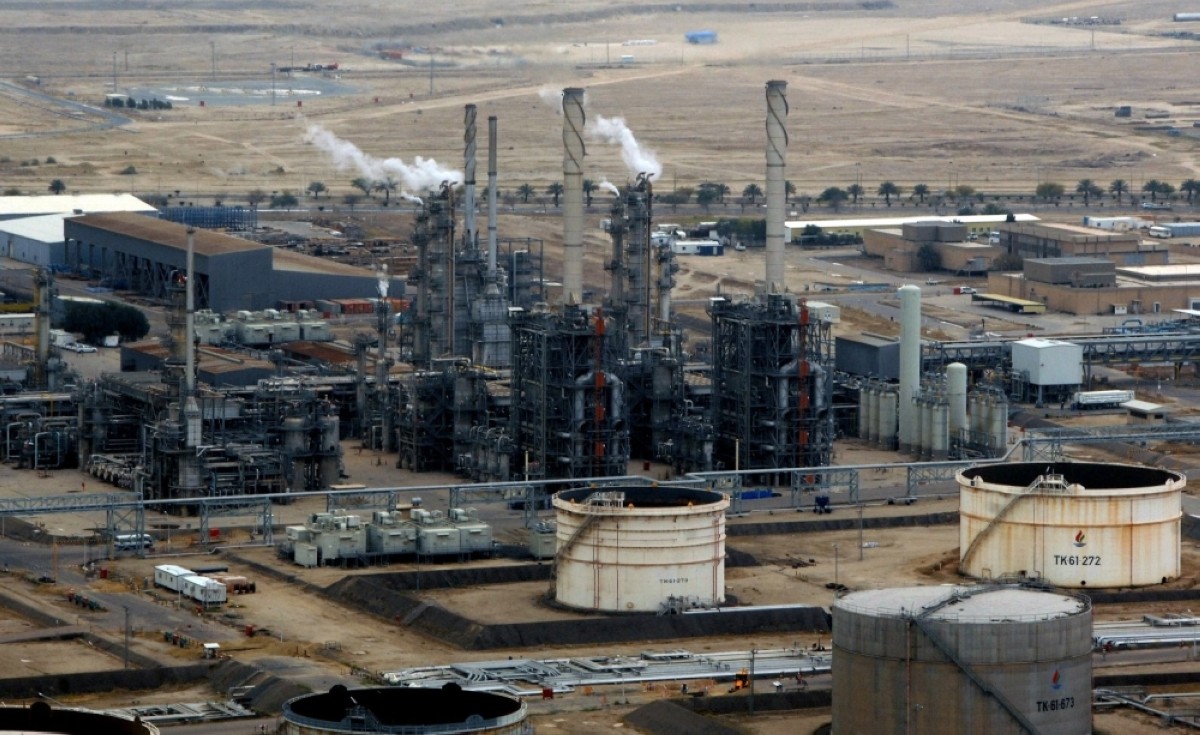
Analysts say any rise in production could take years, keeping short-term impact minimal
KUWAIT: Kuwaiti oil experts say recent events in Venezuela are unlikely to disrupt global oil markets in the short or medium term. US forces carried out a surprise military attack on Venezuela over the weekend, capturing President Nicolas Maduro and bringing him to the United States, a move that shocked world leaders and markets. President Donald Trump said the goal was not only to remove Maduro but to prepare the ground for US oil companies to rebuild Venezuela’s oil infrastructure. “We’re going to have our very large United States oil companies, the biggest anywhere in the world, go in, spend billions of dollars, fix the badly broken infrastructure and start making money for the country,” he told reporters.
Global markets have already reacted to Venezuela’s political upheaval. US crude (West Texas Intermediate) swung overnight Sunday, initially falling, then rising, and finally climbing 0.3 percent by early Monday. Brent crude followed a similar pattern, rising 0.2 percent. Traders were weighing two factors: geopolitical instability in Latin America, which could push prices higher, and a potential long-term increase in Venezuelan output, which could boost global supply and lower prices.
Shares of companies expected to benefit jumped: Chevron rose as much as 10 percent in pre-market trading, Exxon Mobil and ConocoPhillips gained about 4 percent, and refiners Valero and Phillips 66 rose around 7 percent.
While the recent capture of Maduro by the US sparked immediate reactions in global energy markets, Kuwaiti analysts downplayed immediate risks from Venezuela. “Venezuela’s production is constrained by sanctions, aging infrastructure and underinvestment in its oil fields. The US ban on Venezuelan oil remains in place, so this crude does not contribute much to immediate global supply,” Energy consultant Jamal Al-Gharabli said. He added that OPEC+ cohesion helps buffer markets from sudden geopolitical shocks.
Kuwait’s Oil Minister, Tareq Al-Roumi, emphasized the country’s commitment to market stability and global economic recovery on Monday. “Working within OPEC+ is a cornerstone for stabilizing energy markets.” He noted that Kuwait’s production has averaged 2.58 million barrels per day since December and highlighted the importance of ongoing coordination among OPEC+ members. “The recent decision by the eight-member group to maintain current production levels for February and March reflects our commitment to market stability and supply security,” Al-Roumi said.
‘Could take years’
Dr Firas Al-Salem, chairman of the Kuwaiti Business Council in Dubai, said Maduro’s removal could attract US investment in Venezuela’s oil sector over time. “This could eventually raise production to over three million barrels per day, up from about one million currently,” he said. But he stressed that such changes would take years and would not immediately affect global prices.
The news also affected Canada’s energy markets. Canadian oil company stocks fell Monday amid concerns that a Venezuelan revival could increase global supply and put pressure on Canada’s growing oilsands sector.
Dr Mubarak Al-Hajeri, an energy expert and lecturer at PAAET’s College of Technological Studies, explained that Venezuelan crude is particularly heavy, with an API gravity between 14 and 18. “Heavy oil complicates extraction, refining, and transportation. Comparing it to Canadian heavy crude overlooks technical differences, since Venezuelan oil is denser and more complex to process,” he said. This means that even if Venezuela ramps up production, it will not directly substitute Canadian output, though a long-term increase could still add supply and influence global markets. — Agencies
