

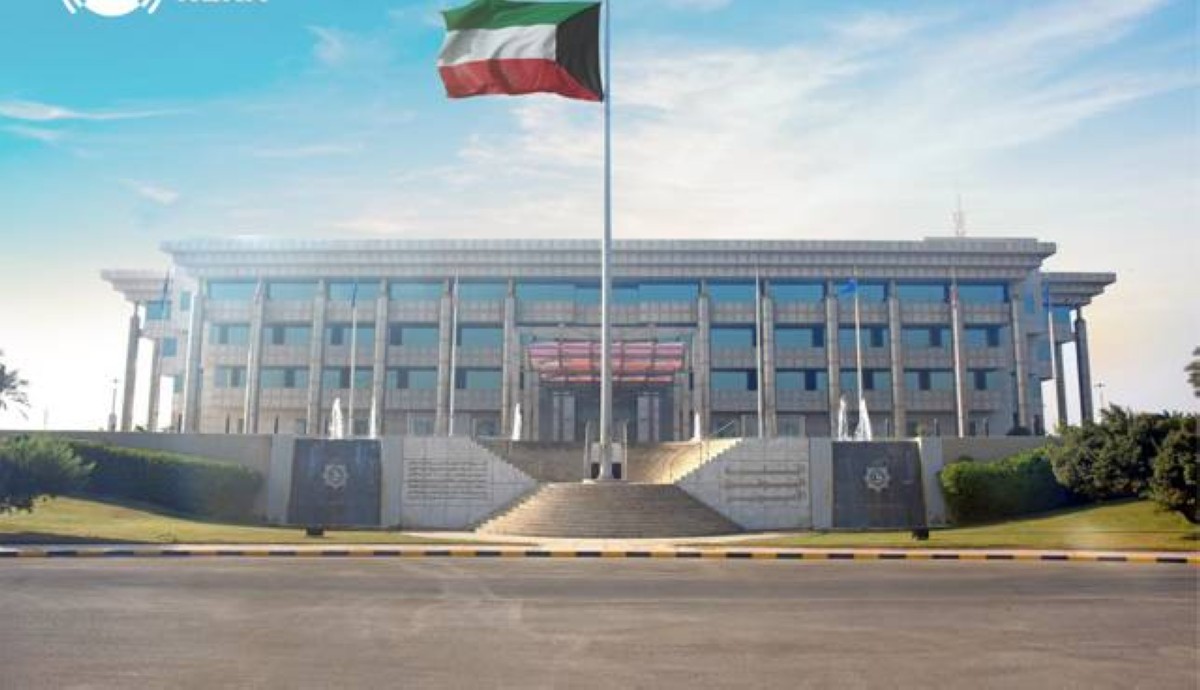
KUWAIT: The new residency law goes into effect from Tuesday, with the annual iqama fee doubled to KD 20 and the fees for all types of visit visas set at KD 10 per month. The annual fee for dependents other than a spouse or children, such as parents, will rise to KD 300 per person from KD 200. The new residency law is being implemented alongside increased health insurance fees, which have been doubled to KD 100 per year for the majority of expatriates. Residency will not be granted without a valid health insurance policy.
Meanwhile, the interior ministry announced a temporary suspension of all online residency services for four hours, from 10:00 pm on Monday until 2:00 am on Tuesday, to carry out technical upgrades and maintenance. The ministry said the suspension is part of ongoing efforts to develop its electronic systems, improve performance efficiency, enhance system stability and ensure uninterrupted service delivery in line with the highest technical standards.
The new residency law reaffirms the KD 800 monthly salary requirement for sponsoring family dependents, with certain exemptions, and introduces a KD 50 annual fee for renewing the residency of domestic helpers for expatriate families. The new fees are outlined in the executive by-laws of the residence law issued last year.
Under the new by-laws, visit visas can be extended once for a similar duration, transferred to residency in certain cases, and the period allowed to obtain residency for newborn babies has been extended to four months. A KD 10 fee will now apply to all entry visas issued to individuals arriving in Kuwait to obtain residency for work, family sponsorship, business activity, study or investment purposes. Other types of visit visas, including family, business, tourist and multiple-entry visas, will also have a fee of KD 10 per month.
The annual renewal fee for most types of residency has been doubled to KD 20. This applies to expatriates working in the government and private sectors, foreign students, clergymen, widows or divorcees of Kuwaiti men who have children, as well as bedoon residents after obtaining citizenship of another country. Residency fees for foreign partners, investors and real estate owners have been set at KD 50 per year, while the self-sponsored residency category under article 24 has an annual fee of KD 500.
Annual dependent residency fees for spouses and children have been increased to KD 20 for sponsors employed in the government or private sectors, students, foreign parents of Kuwaitis and foreign spouses and children of GCC citizens. The fee is KD 40 per year for dependents of foreign investors, partners, real estate owners and clergymen, and KD 100 per year for dependents of self-sponsored residents. For dependents other than spouses and children, such as parents, the annual fee has been raised to KD 300.
The by-laws specify that the annual dependent fee for foreign children of naturalized Kuwaiti women is KD 20, while foreign children of Kuwaiti women who are citizens by birth are exempt. A KD 10 monthly fee has been imposed on temporary residency for all categories under article 14, except domestic helpers, for whom the fee is KD 5 per month. The same fee applies to extensions of temporary residency. Foreigners who cancel their residency and plan to leave Kuwait permanently must pay a KD 10 monthly fee during the departure period.
Temporary residency is granted to individuals planning to leave Kuwait permanently, urgent cases assessed by the residency affairs department, and those who enter on visit visas. It is valid for three months and may be renewed for similar periods for a maximum of one year. A fee of KD 5 per month applies to permits allowing residents to stay outside Kuwait beyond the six-month limit.
Regarding domestic helpers, Kuwaiti families of up to six members may recruit three helpers, families of six to nine members may recruit four, and families of more than nine members may recruit five. Fees increase progressively for additional helpers, starting at KD 50 for the first extra helper and rising to KD 150 for the third and beyond, with an annual residency renewal fee of KD 10 in all cases.
For expatriate families, the annual residency fee for two domestic helpers is KD 50 each. The fee rises to KD 400 per year for the first additional helper and KD 500 for the second and subsequent helpers, with a renewal fee of KD 50 per helper. For diplomats, the fee for the first two helpers is KD 10 each, increasing to KD 100 for the first additional helper and KD 200 for the second and beyond, with an annual renewal fee of KD 10.
Domestic helpers must be between 21 and 60 years old, although the minister may exempt certain cases from the age requirement. Expatriates entering Kuwait on entry visas must complete residency procedures within two months. Residency applicants must hold passports valid for at least six months, and the duration of residency will no longer be linked to passport validity.
Ordinary residency is valid for up to five years for most expatriates, while foreign children of Kuwaiti women and property owners may be granted residency for up to 10 years. Investors may receive residency for up to 15 years. Most visit visas, including government, business, family, medical treatment and tourism visas, are valid for three months and may be renewed for similar periods for a maximum of one year. Multiple-entry visas are valid for up to one year, with each visit allowing a stay of up to one month.
Certain visit visas may be transferred to regular residency, including government visit visas for university graduates, domestic helpers, family visit visa holders and other cases approved by the authorities. Expatriates may sponsor their spouses and children provided they earn a minimum monthly salary of KD 800. Exemptions apply to several professions, including legal researchers, university professors, teachers, engineers in the government sector, imams, preachers, pharmacists, nurses in the military and health sectors, journalists, correspondents, coaches, players and workers in funeral and burial services.
Foreigners without employment may obtain residency by providing proof of income under article 24, while property owners may also qualify for residency upon submitting proof of ownership.
