

For over 40 years, I’ve worked as a geriatrician, a doctor whose patients are all older adults, many of them in their 80s.
While factors like blood pressure, cholesterol, blood sugar levels or weight are important markers of health, they are only one part of the picture as you get older. In geriatric medicine, we take a broader view using a framework called the “5 Ms”: what matters most, mind, mobility, medications and multicomplexity.
That last one is especially key, and takes into account how our health and well-being are impacted by what is happening with us not just medically, but financially, socially and emotionally, too.
I always tell my patients aging is about transition. How you navigate these life changes and the attitude you have about them are the biggest indicators of whether you’ll have an enjoyable, engaged and meaningful later life.
This is what I do every day to feel better and live longer.
1. I move my body
I start my day with a “salute to the sun,” a yoga stretching routine that wakes me up and gets my blood pumping.
Lately, I’ve been working with a trainer and going to the gym a few times a week. Amazingly, after only a few months I feel stronger, have better focus and balance, and get more restful sleep.
2. I stretch my mind
Every morning, I do the New York Times word games to wake up my brain. I enjoy them, and I know that there’s a “use it or lose it” piece to aging.
By doing this simple activity, my brain feels more alert and I’m better able to recall words, especially those I don’t use regularly.
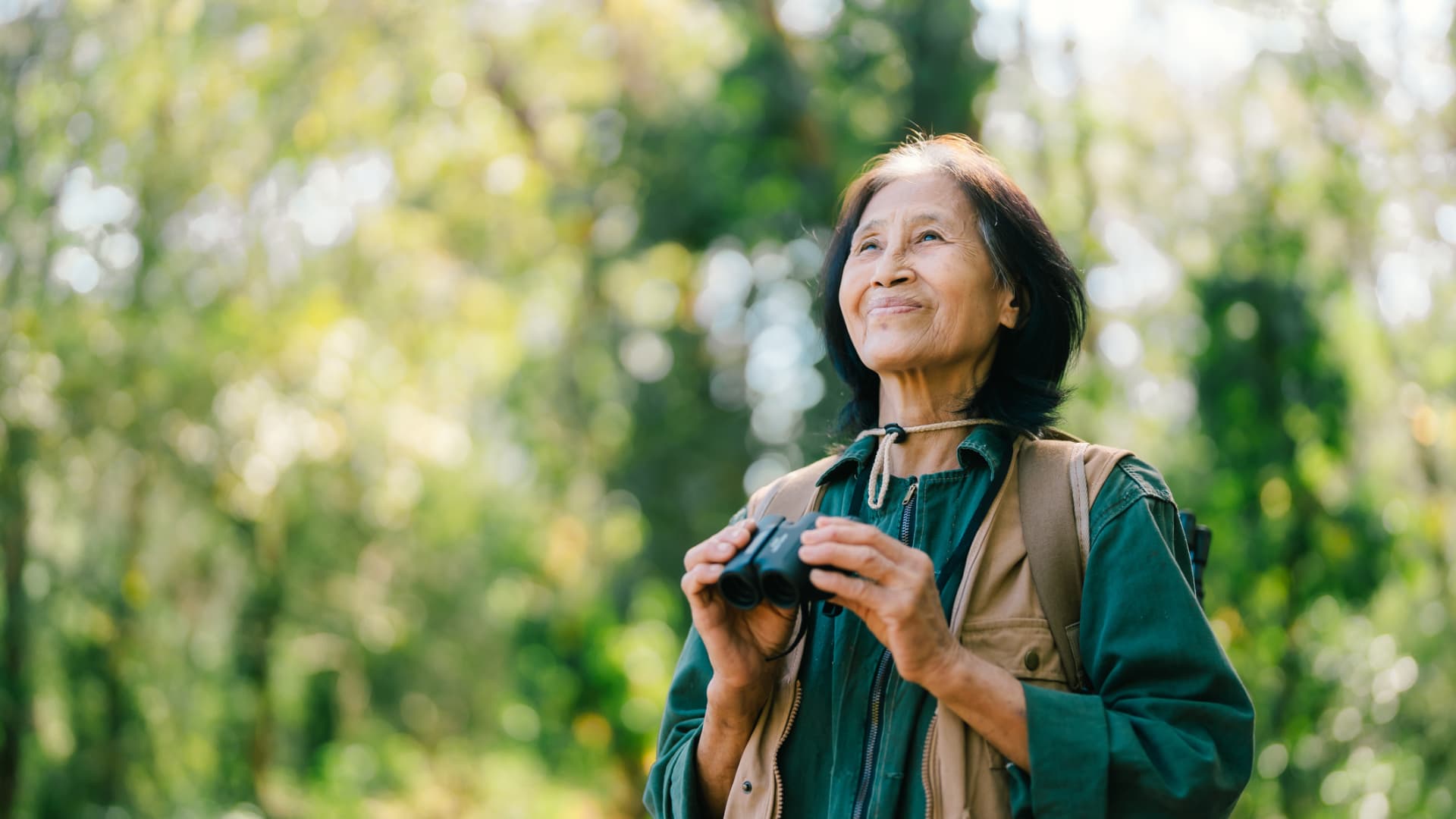
3. I get out in nature
I push myself to spend time outdoors daily, especially when it’s sunny. Being in the sun improves my mood and my sleep.
Even if I struggle to get up and go, I make sure to at least spend some time on the deck or terrace, or at the nearby park.
4. I am involved in my community
For years, I have sung in my synagogue chorus and taken part in a range of volunteer work.
I mentor medical students, help out at memory care programs for folks with dementia, and advocate for causes close to my heart like access to health care, immigration and fair housing.
Through these activities, I’ve continued to make meaningful friendships with people of all ages.
5. I use aids to improve my quality of life
I started wearing hearing aids when I was in my 60s, and it made a remarkable difference. Not only did I hear better, but I also had more energy, since it was easier to understand what people were saying.
Many of my patients refuse to try hearing aids because they are afraid of looking old. I can understand that. But I tell them they’ll never appear more “not with the program” than if they can’t participate in a conversation. And everyone walks down the street with earbuds in anyway, so yours will go unnoticed.
Don’t be afraid to make small changes to boost your quality of life.
6. I strive for interdependence, not independence
As we age, being too dependent on others can feel like a loss of agency. Interdependence means keeping your eye on what you really want to do and allowing others to help you do those things, whether it’s using hearing aids, or a cane, or getting assistance that allows you to stay in your home.
I have a dear friend who was quite ill but really wanted to go to the concert of an artist he loved. So he used a wheelchair and brought an aide with him. It wasn’t easy, but he had the best time listening to the music and seeing old friends.
7. I actively resist ageism
Unfortunately, we live in an incredibly ageist world where older adults are often stereotyped and treated as if we were senile, incompetent, rigid or not there.
Don’t let people get away with this. Stand up for yourself and others.
Research has shown that people with positive perceptions of aging live longer and are in better shape. I always tell people how old I am. I remind them that if they’re lucky, one day they’ll be old, too.
8. I take joy in incremental progress
Some of my patients who couldn’t imagine life without tennis are now pickleball fiends. My best advice for living longer and feeling happier is, when you are met with change, get creative about how you adapt to it.
When I started to use the rowing machine, it was tough to get two minutes in. Once or twice a week, I increase my workout by a minute. Now I’m at 10 minutes and still slowly increasing. My current goal is 15 minutes. And when I get there, I’ll see if 20 is in my future.
I am reminded of the record-breaking 82-year-old woman who ran the Boston Marathon last year with a time of five hours and 54 minutes. She started running in her 60s.
Compete against yourself and take joy in the progress and improvements you make. You never know what is possible.
Dr. Rosanne Leipzig is the Gerald and May Ellen Ritter Professor and Vice Chair, Emerita of the Brookdale Department of Geriatrics and Palliative Medicine at the Icahn School of Medicine at Mount Sinai in New York City. In her 40+ year career, she has treated thousands of patients and trained hundreds of doctors and practitioners in all specialties of medicine. She is the author of “Honest Aging: An Insider’s to the Second Half of Life.”
Want to level up your AI skills? Sign up for Smarter by CNBC Make It’s new online course, How To Use AI To Communicate Better At Work. Get specific prompts to optimize emails, memos and presentations for tone, context and audience.

